 Heel shoes have long been a symbol of style, elegance, and confidence. In Australia, this footwear transcends mere fashion, reflecting cultural shifts, innovations in design, and the unique demands of an active yet fashion-conscious population. This article explores the dynamic landscape of heel shoes in Australia, providing insights into their history, current trends, comfort innovations, and how Australians uniquely embrace them.
A Brief History of Heels Shoes in Australia
Heels shoes have a storied past dating back centuries, evolving from practical utilitarian footwear to glamorous fashion statements. In Australia, heels entered mainstream fashion alongside European influences in the early 20th century. Initially, they were predominantly worn for formal occasions or by women in urban centres like Sydney and Melbourne.
Over decades, heels in Australia adapted to local lifestyles. Shoes Across Australia
Australia’s fashion scene is characterized by its cosmopolitan yet laid-back ethos, and heel shoes are no exception. The current trends showcase a fusion of global fashion influences with distinctly Australian elements:
- Block Heels and Chunky Styles: Offering better balance and comfort, chunky heels have surged in popularity. They appeal to professionals and fashion enthusiasts who want a bold look without compromising stability.
- Sustainable Materials: Reflecting Australia’s growing environmental consciousness, many brands now produce heels shoes using eco-friendly materials such as recycled plastics, vegan leather, and ethically sourced fabrics.
- Versatile Designs: Australian consumers seek heels shoes that transition effortlessly from day to night. Designs often emphasize minimalist aesthetics with versatile color palettes, catering to busy urban lifestyles.
- Indigenous Influences: Some contemporary Australian designers incorporate Indigenous art and cultural motifs into heels shoes, celebrating heritage and promoting cultural appreciation.
Comfort Innovations in Heels Shoes
One of the most critical considerations for Australian wearers is comfort. The country’s active lifestyle, which often includes long commutes, social events, and outdoor gatherings, demands heel shoes that don’t sacrifice comfort for style. Recent advances in design and technology have transformed the comfort level of heel shoes:
- Ergonomic Footbeds: Modern heels often feature cushioned insoles and arch support designed to reduce foot fatigue.
- Shock Absorption: Improved heel tips and sole materials absorb impact, making walking on concrete or uneven terrain less strenuous.
- Adjustable Straps and Secure Fits: To prevent slipping and improve stability, many heels include adjustable straps, buckles, or elastic inserts.
- Breathable Fabrics: Australian climate variation—from humid coastal areas to dry inland regions—has pushed brands to use breathable and moisture-wicking materials in heels shoes.
The Role of Heels Shoes in Australian Professional Settings
In the Australian workplace, heels shoes have long been associated with professionalism and authority. However, evolving dress codes and increased focus on workplace comfort have diversified the role of heels in professional wardrobes:
- From Classic Pumps to Modern Heels: While traditional stilettos remain a staple for formal business attire, block heels and mid-height styles are favoured for everyday office wear.
- Gender-Neutral and Inclusive Designs: The market is gradually expanding to include heel shoes designed with a more inclusive approach, recognizing that style and professionalism are not limited by gender norms.
- Balancing Style and Function: Australian professionals demand heels that not only look polished but support long hours on their feet, whether during client meetings or corporate events.
Buying Heels Shoes in Australia: What to Look For
Choosing the right pair of heels shoes in Australia involves more than just picking a trendy design. Here are key factors to consider:
- Heel Height and Type: Understand your needs—higher heels may be ideal for special occasions, while lower or block heels suit daily wear.
- Material Quality: Invest in durable materials that match your lifestyle and weather conditions. Leather and suede are popular for their longevity and comfort.
- Fit and Sizing: Australian sizing can vary between brands; always try on heels later in the day when your feet are more swollen to ensure the best fit.
- Brand Reputation: Supporting Australian brands not only encourages local industry but often guarantees footwear designed specifically for local preferences and climate.
- Return Policies and Support: Since heels and shoes need to fit perfectly to avoid discomfort, opt for retailers with flexible return policies.
Shop heels at Corasol for a curated selection of stylish and comfortable options designed for the modern individual. Discover quality craftsmanship and the latest trends, all from the convenience of your home. Enjoy a seamless online shopping experience with excellent customer support at Corasol.
Conclusion
Heel shoes in Australia embody much more than a fashion statement; they are a testament to evolving style, comfort innovation, and cultural identity. From their historical roots to contemporary trends, Australian heels shoes reflect the nation’s unique blend of sophistication and practicality.
 In recent years, the frozen food exporting industry in New Zealand has experienced significant growth, driven by increasing demand for premium-quality frozen products in international markets. From seafood and meat to fruits and vegetables, New Zealand’s frozen food exporters offer a wide range of products that perfectly cater to diverse tastes and preferences.
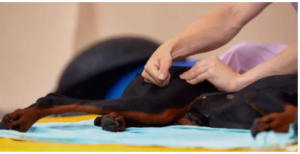 Canine physical therapy is a specialised area within veterinary medicine dedicated to enhancing dogs’ mobility, function, and overall quality of life through rehabilitative methods and tailored interventions. Whether a dog is recuperating from surgery, coping with a chronic ailment, or requiring support for mobility challenges, physical therapy holds the potential to greatly enhance their general welfare.
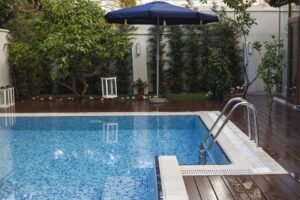 The safety of pool users, particularly children and inexperienced swimmers, is paramount. According to statistics from the Royal Life Saving Society Australia, drowning is one of the leading causes of accidental death in children under the age of five, with home swimming pools being a significant risk factor. Professional swimming pool inspections play a crucial role in identifying potential safety hazards such as malfunctioning equipment, inadequate fencing, or non-compliance with safety standards. By conducting thorough assessments, inspectors can pinpoint areas of concern and recommend remedial actions to mitigate risks and prevent tragic accidents.
 Before delving into the intricacies of design, it’s crucial to grasp the essence of comfort in the context of home extensions. Comfort transcends the tangible aspects of furniture and layout; it encapsulates the psychological and emotional well-being of occupants. A well-designed extension should seamlessly integrate with the existing structure, enhancing the overall livability of the home.
 One of the most significant advancements in
 Web migration refers to the process of moving a website from one environment to another. It could involve transferring data, redesigning the website, changing the hosting provider, or upgrading to a newer version of a content management system (CMS) like WordPress or Shopify.
 Silage wrap film is a durable, stretchable plastic material specifically designed for ensiling forage crops. It is typically made from polyethylene, a polymer known for its strength, flexibility, and impermeability to air and water. The film is manufactured in rolls of varying widths and thicknesses to accommodate different silage storage systems and bale sizes.
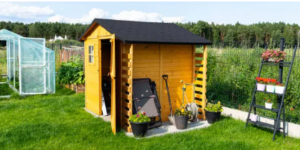 Sheds come in a variety of sizes, and the size you choose depends on the type of shed you want. For example, a workshop shed might need a lot of space for tools and equipment. It may also need a window to let in natural light. A firewood shed, on the other hand, needs to be large enough to hold stacks of wood.
 Kiteboarding is a wind sport that uses a kite and a board to navigate over water. It can be performed in flat water or on waves. The sport also includes freestyle riding, emphasising kite-powered tricks like kite loops and leaps. In addition, there are course-racing events.