Architects Canberra: Exploring the World of Architects

In the heart of Australia lies Canberra, a city that boasts not only political significance but also architectural brilliance. From the iconic Parliament House to the modern designs shaping its skyline, Canberra is a canvas where architects paint their visions of the future. In this article, we delve into the world of architects in Canberra, exploring their impact on the cityscape and the innovative designs that define its character. For professional FEA architects, check this out.

FEA architectsThe Role of Architects in Canberra’s Development

Architects play a pivotal role in shaping Canberra’s urban landscape. As the capital city, Canberra embodies the nation’s aspirations and ideals, which are reflected in its architecture. From government buildings to residential complexes, architects in Canberra are tasked with creating structures that blend functionality with aesthetic appeal.

Iconic Architectural Landmarks

One cannot discuss architecture in Canberra without mentioning its iconic landmarks. The Parliament House stands as a testament to architectural excellence, with its striking design symbolising democratic values. Designed by Romaldo Giurgola, this architectural marvel seamlessly integrates into the landscape, with its grass-covered roof blending into the surrounding hills.

Another noteworthy landmark is the National Gallery of Australia, designed by Colin Madigan. Its geometrically inspired design and vast exhibition spaces make it a focal point for art enthusiasts and architectural lovers alike. The High Court of Australia, designed by Edwards Madigan Torzillo and Briggs, is another example of architectural prowess, with its imposing yet elegant structure commanding attention. For professional FEA architects, check this out.

Innovative Designs Shaping Canberra’s Skyline

Beyond the historical landmarks, Canberra’s skyline is dotted with innovative architectural designs that push the boundaries of conventional thinking. Canberra’s architects are renowned for their commitment to sustainability and environmental responsibility, evident in projects such as the Nishi Building in the NewActon precinct.

Designed by Fender Katsalidis Architects, the Nishi Building is a masterpiece of sustainable design. It incorporates features such as passive solar design, rainwater harvesting, and natural ventilation systems. Its distinctive facade made from recycled materials adds to its appeal, making it a shining example of eco-friendly architecture.

Collaborative Approach to Design

One of the hallmarks of architecture in Canberra is the collaborative approach taken by architects, planners, and developers. The city’s planning framework encourages dialogue and cooperation, resulting in cohesive urban environments that prioritise livability and sustainability.

Canberra architects often work closely with local communities to understand their needs and aspirations, ensuring that their designs are responsive to the people they serve. This collaborative approach fosters a sense of ownership and pride among residents, who see themselves reflected in the built environment around them.

Emerging Trends in Canberra Architecture

As Canberra continues to evolve, so too does its architecture. Emerging trends such as mixed-use developments, adaptive reuse of heritage buildings, and the integration of intelligent technologies are shaping the city’s built environment. Canberra’s architects are at the forefront of these trends, embracing innovation while respecting the city’s rich architectural heritage.

Mixed-use developments, such as the Kingston Foreshore precinct, are transforming former industrial areas into vibrant urban hubs where people can live, work, and play. Adaptive reuse projects, such as the Old Bus Depot Markets, breathe new life into historic buildings, preserving their character while repurposing them for contemporary uses. For professional FEA architects, check this out.

Exploring the Architectural Diversity of Canberra

Canberra, Australia’s capital city, is a treasure trove of architectural diversity, where tradition meets innovation in a harmonious blend of styles. From the grandeur of Parliament House to the sleek modernity of the Nishi Building, Canberra’s architectural landscape is a reflection of its rich history and dynamic present. Whether you’re strolling through the leafy suburbs or admiring the skyline from Lake Burley Griffin, you’ll encounter a tapestry of architectural delights that captivate the imagination.

Conclusion:

In conclusion, architects play a vital role in shaping the urban fabric of Canberra, creating spaces that reflect the city’s identity and values. From iconic landmarks to innovative designs, their contributions enrich the built environment and enhance the quality of life for residents and visitors alike. As Canberra continues to grow and evolve, architects will remain at the forefront of its transformation, shaping a future where design and innovation go hand in hand.

Heels: Style, Comfort, and Culture

heelsHeel shoes have long been a symbol of style, elegance, and confidence. In Australia, this footwear transcends mere fashion, reflecting cultural shifts, innovations in design, and the unique demands of an active yet fashion-conscious population. This article explores the dynamic landscape of heel shoes in Australia, providing insights into their history, current trends, comfort innovations, and how Australians uniquely embrace them.

 

A Brief History of Heels Shoes in Australia

Heels shoes have a storied past dating back centuries, evolving from practical utilitarian footwear to glamorous fashion statements. In Australia, heels entered mainstream fashion alongside European influences in the early 20th century. Initially, they were predominantly worn for formal occasions or by women in urban centres like Sydney and Melbourne.


Over decades, heels in Australia adapted to local lifestyles. Shoes Across Australia

Australia’s fashion scene is characterized by its cosmopolitan yet laid-back ethos, and heel shoes are no exception. The current trends showcase a fusion of global fashion influences with distinctly Australian elements:


  • Block Heels and Chunky Styles: Offering better balance and comfort, chunky heels have surged in popularity. They appeal to professionals and fashion enthusiasts who want a bold look without compromising stability.
  • Sustainable Materials: Reflecting Australia’s growing environmental consciousness, many brands now produce heels shoes using eco-friendly materials such as recycled plastics, vegan leather, and ethically sourced fabrics.
  • Versatile Designs: Australian consumers seek heels shoes that transition effortlessly from day to night. Designs often emphasize minimalist aesthetics with versatile color palettes, catering to busy urban lifestyles.
  • Indigenous Influences: Some contemporary Australian designers incorporate Indigenous art and cultural motifs into heels shoes, celebrating heritage and promoting cultural appreciation.


Comfort Innovations in Heels Shoes

One of the most critical considerations for Australian wearers is comfort. The country’s active lifestyle, which often includes long commutes, social events, and outdoor gatherings, demands heel shoes that don’t sacrifice comfort for style. Recent advances in design and technology have transformed the comfort level of heel shoes:


  • Ergonomic Footbeds: Modern heels often feature cushioned insoles and arch support designed to reduce foot fatigue.
  • Shock Absorption: Improved heel tips and sole materials absorb impact, making walking on concrete or uneven terrain less strenuous.
  • Adjustable Straps and Secure Fits: To prevent slipping and improve stability, many heels include adjustable straps, buckles, or elastic inserts.
  • Breathable Fabrics: Australian climate variation—from humid coastal areas to dry inland regions—has pushed brands to use breathable and moisture-wicking materials in heels shoes.


The Role of Heels Shoes in Australian Professional Settings

In the Australian workplace, heels shoes have long been associated with professionalism and authority. However, evolving dress codes and increased focus on workplace comfort have diversified the role of heels in professional wardrobes:


  • From Classic Pumps to Modern Heels: While traditional stilettos remain a staple for formal business attire, block heels and mid-height styles are favoured for everyday office wear.
  • Gender-Neutral and Inclusive Designs: The market is gradually expanding to include heel shoes designed with a more inclusive approach, recognizing that style and professionalism are not limited by gender norms.
  • Balancing Style and Function: Australian professionals demand heels that not only look polished but support long hours on their feet, whether during client meetings or corporate events.

Buying Heels Shoes in Australia: What to Look For

Choosing the right pair of heels shoes in Australia involves more than just picking a trendy design. Here are key factors to consider:


  • Heel Height and Type: Understand your needs—higher heels may be ideal for special occasions, while lower or block heels suit daily wear.
  • Material Quality: Invest in durable materials that match your lifestyle and weather conditions. Leather and suede are popular for their longevity and comfort.
  • Fit and Sizing: Australian sizing can vary between brands; always try on heels later in the day when your feet are more swollen to ensure the best fit.
  • Brand Reputation: Supporting Australian brands not only encourages local industry but often guarantees footwear designed specifically for local preferences and climate.
  • Return Policies and Support: Since heels and shoes need to fit perfectly to avoid discomfort, opt for retailers with flexible return policies.


Shop heels at Corasol for a curated selection of stylish and comfortable options designed for the modern individual. Discover quality craftsmanship and the latest trends, all from the convenience of your home. Enjoy a seamless online shopping experience with excellent customer support at Corasol.


Conclusion

Heel shoes in Australia embody much more than a fashion statement; they are a testament to evolving style, comfort innovation, and cultural identity. From their historical roots to contemporary trends, Australian heels shoes reflect the nation’s unique blend of sophistication and practicality.

Frozen Food Exporting: The Frozen Food Exporting Industry of New Zealand

Nestled in the Pacific Ocean, New Zealand is renowned for its stunning landscapes, vibrant culture, and thriving agricultural sector. However, one of the country’s lesser-known exports is its booming frozen food industry. With an outstanding reputation for quality and innovation, New Zealand’s frozen food exporting sector has carved out a niche in the global market, offering a diverse range of high-quality products that remarkably showcase the country’s culinary excellence and commitment to sustainability.

Frozen Food Exporting: A Growing Industry

frozen food exportingIn recent years, the frozen food exporting industry in New Zealand has experienced significant growth, driven by increasing demand for premium-quality frozen products in international markets. From seafood and meat to fruits and vegetables, New Zealand’s frozen food exporters offer a wide range of products that perfectly cater to diverse tastes and preferences.

One of the crucial factors driving the growth of the frozen food exporting industry is the country’s reputation for excellence in food safety and quality. With stringent regulations and rigorous standards in place, New Zealand’s frozen food exporters adhere to strict protocols to ensure that their products significantly meet the highest standards of safety, freshness, and taste.

Diverse Product Range: From Farm to Freezer

New Zealand’s diverse agricultural sector provides a rich array of ingredients for the country’s frozen food exporters. From grass-fed lamb and beef to sustainably harvested seafood and organic fruits and vegetables, New Zealand’s frozen food products are known for their exceptional quality and flavour.

One of the country’s most iconic frozen exports is its seafood, which includes a variety of species such as hoki, salmon, and mussels. Thanks to the country’s pristine waters and sustainable fishing practices, New Zealand’s seafood is highly sought after in international markets, where it is prized for its freshness and purity.

In addition to seafood, New Zealand’s frozen food exporters also offer a wide range of meat products, including lamb, beef, and venison. Raised on lush pastures and free from hormones and antibiotics, New Zealand’s meat products are known for their tenderness, flavour, and ethical production practices.

Sustainability and Responsibility: A Key Focus

In this current era of growing environmental awareness, sustainability has become a key focus for New Zealand’s frozen food exporters. From responsible fishing practices to eco-friendly packaging solutions, exporters are committed to minimising their environmental impact and significantly promoting sustainable practices throughout the supply chain.

One example of this commitment is the use of eco-friendly packaging materials, such as recyclable and biodegradable packaging, which helps reduce waste and minimise the industry’s carbon footprint. Additionally, many exporters participate in certification programs, such as the Marine Stewardship Council (MSC) for seafood, to ensure that their products are sourced from sustainable and responsibly managed fisheries.

Expanding Global Reach: Opportunities and Challenges

While New Zealand’s frozen food exporters have enjoyed success in international markets, they also face a number of challenges, including competition from other exporting countries, logistical complexities, and fluctuating market conditions.

However, exporters are optimistic about the future and are actively exploring new opportunities to expand their global reach. With the continuous rise of e-commerce and online shopping, exporters are tapping into digital channels to reach consumers directly and bypass traditional distribution channels. Additionally, exporters are investing in research and development to remarkably innovate new products and stay ahead of evolving consumer trends.

Conclusion: A Bright Future Ahead

In conclusion, New Zealand’s frozen food exporting industry is notably poised for continuous growth and success in the global market. With an undeniable excellent reputation for quality, innovation, and sustainability, New Zealand’s frozen food exporters are well-positioned to meet the growing demand for premium-quality frozen products around the world.

As consumers increasingly seek convenient and nutritious food options, the demand for frozen food is expected to continue rising, providing ample opportunities for New Zealand’s exporters to showcase their products and expand their global reach. With their commitment to excellence and sustainability, New Zealand’s frozen food exporters are leading the way towards a brighter, more delicious future for the global frozen food industry.

Dog Physical Therapist: How Dog Physical Therapists in Portland Transform Canine Lives

In the vibrant and dog-friendly city of Portland, Oregon, where the aroma of coffee mingles with the scent of pine trees, there exists a silent but crucial group of healthcare professionals dedicated to improving the lives of our furry companions: CaninePTandMe dog physical therapist. These unsung heroes work tirelessly behind the scenes, using their expertise and compassion to transform the lives of dogs and their owners. In this article, we will explore the invaluable role of dog physical therapists in Portland and how they unleash happiness by improving the mobility, comfort, and overall well-being of dogs throughout the city.

Understanding Canine Physical Therapy:

CaninePTandMe dog physical therapistCanine physical therapy is a specialised area within veterinary medicine dedicated to enhancing dogs’ mobility, function, and overall quality of life through rehabilitative methods and tailored interventions. Whether a dog is recuperating from surgery, coping with a chronic ailment, or requiring support for mobility challenges, physical therapy holds the potential to greatly enhance their general welfare.
The Role of Dog Physical Therapists:

In Portland, dog physical therapists are integral members of the healthcare network, collaborating closely with veterinarians to craft thorough treatment strategies for their canine clients. Possessing extensive knowledge of canine anatomy, physiology, and biomechanics, these committed experts are adept at evaluating, diagnosing, and addressing a broad spectrum of orthopedic and neurological issues.

A CaninePTandMe dog physical therapist utilises a variety of modalities and techniques to address the specific needs of each dog. It may include manual therapy techniques such as massage and joint mobilisation, therapeutic exercises to improve strength and flexibility, hydrotherapy to promote movement in a low-impact environment, and modalities like laser therapy and acupuncture to manage pain and inflammation.

Transforming Canine Lives, One Step at a Time:

The impact of dog physical therapy on canine lives is profound and far-reaching. For dogs recovering from orthopedic surgeries such as cruciate ligament repair or hip replacement, physical therapy accelerates the rehabilitation process, minimises complications, and improves overall outcomes. Dogs with chronic conditions like osteoarthritis or degenerative disc disease experience relief from pain, increased mobility, and enhanced quality of life through targeted exercises, pain management strategies, and supportive care.

But perhaps the most significant aspect of dog physical therapy is its ability to restore hope and happiness to dogs and their owners alike. Watching a beloved pet struggle with mobility issues, pain, or injury can be heartbreaking for owners, often leaving them feeling helpless and distraught. However, the compassionate care and expertise provided by dog physical therapists offer reassurance, guidance, and tangible results, empowering owners to become active participants in their pet’s recovery journey.

The Collaborative Approach:

One of the key strengths of dog physical therapy in Portland is its collaborative approach to care. Dog physical therapists work closely not only with veterinarians but also with other allied healthcare professionals such as veterinary orthopedic surgeons, neurologists, and rehabilitation specialists. This multidisciplinary approach ensures that each dog receives comprehensive and coordinated care perfectly tailored to their specific needs and circumstances.

The Human-Canine Bond:

At the heart of dog physical therapy lies the deep and unbreakable bond between humans and dogs. Dogs are not just mere pets; they are cherished members of the family, beloved companions who bring joy, comfort, and great companionship to our lives. When a dog suffers from pain or mobility issues, it not only affects the dog but also takes a huge emotional toll on their owners.

Dog physical therapists understand this unique bond and approach their work with great empathy, compassion, and a genuine desire to improve the lives of both dogs and their owners. By helping dogs regain their mobility, comfort, and independence, dog physical therapists in Portland play a vital role in preserving and strengthening the human-canine bond, enriching the lives of countless families throughout the city.

In Portland, a CaninePTandMe dog physical therapist is a true hero, quietly working behind the scenes to comfortably transform the lives of dogs and their owners. Through their expertise, compassion, and unwavering dedication, they unleash happiness by improving the mobility, comfort, and overall well-being of dogs throughout the city. As we celebrate the notable bond between humans and dogs, let us never forget the invaluable contributions of these unsung heroes who work tirelessly to make the world a better place for our furry companions.

Swimming Pool Inspections Near Me: Unveiling the Importance of Professional Swimming Pool Inspections in Adelaide

In the heart of South Australia lies Adelaide, a city renowned for its Mediterranean climate and vibrant outdoor lifestyle. With long, hot summers dominating much of the year, swimming pools have become an integral part of Adelaidean culture. From family homes to luxurious estates, the glistening waters of swimming pools offer solace from the heat and serve as hubs for social gatherings and relaxation. However, amidst the splendor and enjoyment they provide, swimming pools also present inherent risks and maintenance challenges that necessitate vigilance and professional oversight. This article delves into the critical importance of professional swimming pool inspections near me in Adelaide, shedding light on why they are indispensable for ensuring safety, compliance, and longevity in the realm of aquatic recreation.

Safety First:

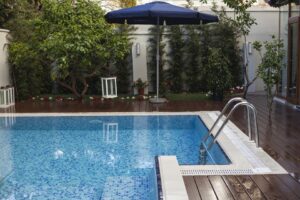
swimming pool inspections near meThe safety of pool users, particularly children and inexperienced swimmers, is paramount. According to statistics from the Royal Life Saving Society Australia, drowning is one of the leading causes of accidental death in children under the age of five, with home swimming pools being a significant risk factor. Professional swimming pool inspections play a crucial role in identifying potential safety hazards such as malfunctioning equipment, inadequate fencing, or non-compliance with safety standards. By conducting thorough assessments, inspectors can pinpoint areas of concern and recommend remedial actions to mitigate risks and prevent tragic accidents.
Compliance and Regulatory Requirements:

Adelaide, like other cities in Australia, has stringent regulations governing the operation and maintenance of swimming pools. These regulations encompass various aspects such as fencing requirements, signage, water quality standards, and barrier compliance. Failure to adhere to these regulations not only poses safety risks but can also result in legal liabilities and penalties for non-compliance. Professional swimming pool inspections ensure that pool owners remain in compliance with relevant regulations, providing reassurance that their pool meets the necessary standards for safety and legality.

Preventative Maintenance and Longevity:

Regular maintenance is essential for preserving the structural integrity and functionality of swimming pools. Without proper care and oversight, pools can succumb to a myriad of issues such as leaks, cracks, equipment malfunction, and deterioration of pool surfaces. Professional inspections enable early detection of these issues, allowing for prompt repairs and preventative maintenance measures to be implemented. By addressing problems proactively, pool owners can extend the lifespan of their pool and avoid costly repairs that may arise from neglect or deferred maintenance.

Water Quality Assurance:

Maintaining optimal water quality is fundamental for the health and well-being of swimmers. Poorly maintained pools can become breeding grounds for harmful bacteria, algae, and other contaminants, posing significant health risks to users. Professional swimming pool inspections near me involve comprehensive water testing to assess chemical balance, pH levels, and the presence of contaminants. By ensuring that water quality parameters are within recommended limits, inspectors help safeguard the health of pool users and ensure a clean and hygienic swimming environment.

Maximizing Efficiency and Sustainability:

In an era of increasing environmental consciousness, optimizing the efficiency and sustainability of pool operations is imperative. Professional inspections can identify opportunities to improve energy efficiency, reduce water consumption, and minimize chemical usage. From recommending energy-efficient equipment upgrades to implementing eco-friendly maintenance practices, inspectors can help pool owners minimize their environmental footprint while lowering operational costs.

Peace of Mind and Property Value:

Beyond safety and compliance, professional swimming pool inspections offer peace of mind to pool owners, knowing that their pool is in optimal condition and compliant with relevant regulations. This peace of mind is invaluable, particularly for families with young children or individuals who value safety and reliability. Moreover, well-maintained pools can enhance the value and marketability of residential properties, serving as desirable amenities that contribute to curb appeal and overall property value.

In conclusion, professional swimming pool inspections are indispensable for ensuring safety, compliance, and longevity in the realm of aquatic recreation. From safeguarding the well-being of pool users to preserving the integrity of pool structures and systems, inspections play a vital role in maintaining the health, safety, and enjoyment of swimming pools in Adelaide. By investing in regular swimming pool inspections near me, pool owners can uphold their responsibilities as stewards of safety and environmental sustainability while safeguarding their investment in one of life’s most cherished luxuries: a sparkling oasis in the sun.

Home Extensions: Designing Functional Home Extensions in NZ

In the vibrant tapestry of New Zealand’s housing landscape, the concept of comfort extends far beyond mere physical relaxation. It encompasses a harmonious blend of functionality, aesthetics, and personal expression. As homeowners seek to expand their living spaces to accommodate evolving lifestyles and needs, the art of designing home extensions takes centre stage. In this article, we delve into the principles and practices of crafting functional home extensions in New Zealand, where comfort reigns supreme.

Understanding the Essence of Comfort

home extensionsBefore delving into the intricacies of design, it’s crucial to grasp the essence of comfort in the context of home extensions. Comfort transcends the tangible aspects of furniture and layout; it encapsulates the psychological and emotional well-being of occupants. A well-designed extension should seamlessly integrate with the existing structure, enhancing the overall livability of the home.

Harmonizing Form and Function

The cornerstone of designing functional home extensions lies in striking a delicate balance between form and function. In a country renowned for its breathtaking landscapes and architectural diversity, each extension must resonate with its surroundings while fulfilling the practical needs of its inhabitants.

Architects and designers in New Zealand approach this challenge with ingenuity, drawing inspiration from the natural beauty and cultural heritage that define the Kiwi identity. Whether it’s a sleek modern addition or a rustic annex, every extension reflects a unique fusion of aesthetic sensibility and valuable purpose.

Tailoring Extensions to Suit Lifestyle Needs

One size does not fit all when it comes to home extensions. The diverse lifestyles and preferences of New Zealanders necessitate a tailored approach to design. From growing families craving extra space to empty-nesters seeking a tranquil retreat, every extension project is an opportunity to cater to specific lifestyle needs.

For families, open-plan living areas that facilitate seamless interaction are paramount. Incorporating versatile spaces that can adapt to evolving activities, such as home offices or playrooms, adds a layer of functionality that resonates with the demands of modern life.

On the other hand, individuals yearning for solitude might prioritize secluded corners for relaxation or meditation. Intimate alcoves adorned with natural light and tranquil views provide a sanctuary amidst the hustle and bustle of daily life.

Embracing Sustainable Practices

In an era defined by environmental consciousness, sustainability takes precedence in the design ethos of home extensions. New Zealanders are increasingly embracing eco-friendly practices that minimize the ecological footprint of construction while maximizing energy efficiency and resource utilization.

From passive solar design principles to the incorporation of recycled materials, sustainable elements are seamlessly integrated into the fabric of home extensions. Green roofs adorned with native flora not only enhance insulation but also contribute to biodiversity and rainwater retention.

Navigating Regulatory Frameworks

Navigating the regulatory frameworks governing home extensions can be a daunting task for homeowners. In New Zealand, local councils enforce stringent building codes and zoning regulations to ensure safety and compliance with environmental standards.

Engaging with experienced architects and builders who possess a deep understanding of local regulations is essential for a smooth approval process. From obtaining building permits to adhering to seismic resilience requirements, thorough planning and meticulous attention to detail are crucial to navigating the bureaucratic maze.

Leveraging Technology for Design Innovation

The advent of digital technology has revolutionized the landscape of home design, offering unparalleled tools for innovation and visualization. From 3D modelling software to virtual reality simulations, homeowners can now explore and refine their design ideas with unprecedented precision.

In New Zealand, architects leverage these technological advancements to create immersive experiences that allow clients to envision their dream extensions in vivid detail. Virtual walkthroughs enable stakeholders to assess spatial flow, lighting effects, and material finishes, facilitating informed decision-making and ensuring that the final design aligns with expectations.

In the dynamic realm of home design, the quest for comfort remains a timeless pursuit. In New Zealand, where natural beauty intertwines with cultural diversity, designing functional home extensions is both an art and a science. By harmonizing form and function, tailoring designs to suit lifestyle needs, embracing sustainability, navigating regulatory frameworks, and leveraging technology, architects and homeowners alike embark on a journey to create spaces that transcend mere shelter, offering solace, inspiration, and a sense of belonging in the ever-changing landscape of home.

Industrial Refrigeration Adelaide: Innovative Technologies Shaping the Future of Industrial Refrigeration in Adelaide

Industrial refrigeration plays a pivotal role in maintaining the integrity of perishable goods, ensuring the smooth operation of various industries, and supporting the economic growth of regions like Adelaide. With the ever-evolving landscape of technology, the future of industrial refrigeration in Adelaide is being shaped by innovative solutions aimed at enhancing efficiency, sustainability, and reliability. In this article, we’ll explore some of the groundbreaking technologies that are transforming the industrial refrigeration sector in Adelaide and paving the way for a more resilient and sustainable future.

Precision Cooling Systems:

reliable industrial refrigerationOne of the most significant advancements in reliable industrial refrigeration technology is the development of precision cooling systems. These systems utilise advanced sensors and automation to precisely control temperature and humidity levels within industrial facilities. In Adelaide, where temperature fluctuations can pose significant challenges to the storage and transportation of perishable goods, precision cooling systems offer a solution that ensures optimal conditions are maintained at all times. By minimising temperature variations and reducing energy consumption, precision cooling systems not only improve the quality and shelf life of products but also contribute to cost savings and environmental sustainability.

Artificial Intelligence and Machine Learning:

Artificial intelligence (AI) and machine learning (ML) algorithms are revolutionising the way industrial refrigeration systems are monitored, analysed, and optimised. By leveraging vast amounts of data collected from sensors and equipment, AI and ML algorithms can identify patterns, predict potential issues, and optimise system performance in real time. In Adelaide, where industries rely heavily on effectual refrigeration systems to maintain product quality and meet regulatory requirements, AI and ML-powered solutions offer unprecedented levels of reliability and efficiency. From predictive maintenance to adaptive control strategies, these technologies are enabling Adelaide’s industrial refrigeration sector to operate more efficiently and cost-effectively than ever before.

Energy-Efficient Refrigerants:

As concerns about climate change and environmental sustainability continue to grow, there is increasing pressure on industries to lessen their carbon footprint and adopt more sustainable practices. In response, researchers and engineers are developing a new generation of energy-efficient refrigerants that offer superior performance while minimising environmental impact. In Adelaide, where energy costs are a significant concern for industrial operations, the adoption of these innovative refrigerants can lead to substantial cost savings and emissions reductions. From natural refrigerants like ammonia and CO2 to low-global warming potential (GWP) synthetic refrigerants, these advanced solutions are shaping the future of reliable industrial refrigeration in Adelaide and beyond.

Internet of Things (IoT) Connectivity:

The Internet of Things (IoT) is transforming the industrial refrigeration sector by enabling seamless connectivity and communication between equipment, sensors, and control systems. In Adelaide, IoT-enabled refrigeration systems allow operators to remotely monitor and manage their facilities, receive real-time alerts and notifications, and access valuable performance data from anywhere in the world. This level of connectivity not only enhances operational efficiency and productivity but also improves system reliability and reduces the risk of downtime. By harnessing the power of IoT technology, Adelaide’s industrial refrigeration sector is entering a new era of connectivity and intelligence, where data-driven insights drive continuous improvement and innovation.

Modular and Scalable Solutions:

In the fast-paced world of industrial manufacturing and distribution, flexibility and scalability are essential qualities for refrigeration systems. Traditional refrigeration infrastructure can be cumbersome and expensive to install and maintain, making it challenging for businesses to modify to changing needs and demands. However, modular and scalable refrigeration solutions offer a more agile and cost-effective alternative. These systems can be easily customised and expanded to accommodate evolving requirements, allowing businesses in Adelaide to scale their refrigeration capacity up or down as needed. Whether it’s expanding production capacity, accommodating seasonal fluctuations, or entering new markets, modular and scalable refrigeration solutions provide Adelaide’s industries with the flexibility they need to thrive in a dynamic environment.

The future of industrial refrigeration in Adelaide is being shaped by a convergence of innovative technologies aimed at enhancing efficiency, sustainability, and reliability. From precision cooling systems and artificial intelligence to energy-efficient refrigerants and IoT connectivity, these groundbreaking solutions are revolutionising the way industrial refrigeration systems are designed, operated, and maintained. By embracing these technologies, Adelaide’s industries can stay ahead of the curve, minimise costs, reduce environmental impact, and ensure the continued success and growth of their operations in the years to come. As the demand for efficient and sustainable refrigeration solutions continues to rise, Adelaide is poised to lead the way with cutting-edge technologies that define the future of reliable industrial refrigeration.

Web Migration Adelaide: A Comprehensive Guide

In the ever-evolving landscape of the digital world, businesses in Adelaide, South Australia, are constantly faced with the need for web migration.

Whether it’s upgrading to a more advanced platform, redesigning their website for improved user experience, or shifting to a new hosting provider, web migration plays an undeniably crucial role in staying competitive and relevant in today’s online marketplace. For more web migration experts, check this out!

Understanding Web Migration:

web migration expertsWeb migration refers to the process of moving a website from one environment to another. It could involve transferring data, redesigning the website, changing the hosting provider, or upgrading to a newer version of a content management system (CMS) like WordPress or Shopify.

Importance of Web Migration:

In Adelaide, where businesses are vying for attention in a competitive digital market, web migration is essential for staying ahead of the curve. Here are some key reasons why businesses should consider migrating their websites:

  • Improved Performance: Upgrading to a newer platform or optimising website code during migration can significantly enhance website speed and performance, leading to better user experience and higher search engine rankings.
  • Enhanced Security: Migrating to a more secure hosting environment or implementing the latest security protocols can safeguard the website against cyber threats and data breaches, ensuring the protection of sensitive information. For more web migration experts, check this out!
  • Better User Experience: Redesigning the website as part of the migration process allows businesses to create a more intuitive and visually appealing interface, resulting in increased user engagement and higher conversion rates.
  • Adaptation to Technological Advancements: With technology constantly evolving, migrating to newer platforms or CMS versions ensures that businesses can take advantage of the latest features and functionalities to meet the changing needs of their audience.
  • SEO Benefits: A well-executed web migration can positively impact SEO by improving website speed, implementing mobile responsiveness, and optimising site structure, leading to higher search engine rankings and increased organic traffic.

Navigating Web Migration in Adelaide:

While web migration can offer numerous benefits, it can also be a complex and daunting process, especially for businesses without technical expertise. Here are some essential steps to help businesses in Adelaide navigate the web migration process effectively:

  • Set Clear Objectives: Before embarking on a web migration project, define your goals and objectives. Whether it’s improving website performance, enhancing security, or redesigning the user interface, having clear objectives will guide the migration process and ensure its success.
  • Conduct a Website Audit: Evaluate your current website to identify areas that need improvement or modification. It includes assessing website speed, security vulnerabilities, mobile responsiveness, and overall user experience.
  • Choose the Right Platform or CMS: If you’re planning to migrate to a new platform or CMS, carefully research and choose one that best aligns with your business needs and objectives. Consider factors such as scalability, flexibility, ease of use, and available features. For more web migration experts, check this out!
  • Backup Your Data: Before initiating the migration process, make sure to backup all your website data, including files, databases, and configurations. It ensures that you have a failsafe in case anything goes wrong during the migration.
  • Plan the Migration Process: Create a detailed migration plan outlining the timeline, tasks, and responsibilities involved. Consider factors such as downtime, data transfer methods, testing procedures, and contingency plans to minimise disruptions to your website’s availability.
  • Test and Validate: Once the migration is complete, thoroughly test the website to ensure that everything is functioning as intended. It includes checking for broken links, missing images, form submissions, and compatibility across different devices and browsers.

Conclusion:

Web migration is a crucial undertaking for businesses in Adelaide looking to maintain a competitive edge in the digital landscape. By understanding the importance of web migration and following a systematic approach, businesses can successfully navigate this process and reap the benefits of a more secure, performant, and user-friendly website. Whether it’s upgrading to a newer platform, redesigning the website, or enhancing security measures, web migration lays the foundation for sustained growth and success in the online marketplace.

Silage Wrap: The Role and Advantages of Silage Wrap Film

In the realm of agriculture, the efficient preservation of forage is a critical aspect of ensuring a stable food supply for both livestock and humans. Silage, a fermented feed created from green foliage crops, plays a vital role in animal nutrition, particularly during seasons when fresh pasture is scarce. One of the key innovations in silage preservation is the development of silage wrap film, a specialized plastic material that revolutionizes the storage and protection of silage. In this article, we delve into the significance, benefits, and applications of silage wrap film in modern agriculture.

Understanding Silage Wrap Film

silage wrap filmSilage wrap film is a durable, stretchable plastic material specifically designed for ensiling forage crops. It is typically made from polyethylene, a polymer known for its strength, flexibility, and impermeability to air and water. The film is manufactured in rolls of varying widths and thicknesses to accommodate different silage storage systems and bale sizes.
The Process of Silage Making

Having a solid understanding of the ensiling process is necessary before getting into the technicalities of silage wrap film. Harvesting green fodder crops, such as grass, corn, or legumes, at the ideal moisture and maturity levels is required in order to produce silage. Next, the material that has been harvested is cut into small pieces and put firmly into a storage structure. This structure could be a bunker silo, tower silo, or bales that are covered in plastic. The absence of oxygen during storage serves to encourage anaerobic fermentation, which helps to preserve the forage while ensuring that its nutritional content is not compromised.

The Role of Silage Wrap Film

Silage wrap film serves as a crucial component in the ensiling process, providing a protective barrier that minimizes exposure to oxygen and prevents spoilage. When properly applied, the film creates an airtight seal around the ensiled material, creating an ideal environment for fermentation to occur. Additionally, silage wrap film helps to maintain optimal moisture levels within the hay, further enhancing its quality and palatability.

Advantages of Silage Wrap Film

The utilization of silage wrap film offers a multitude of benefits to farmers and livestock producers:

  1. Improved Forage Quality: Silage wrap film helps preserve the nutritional content of forage crops by minimizing nutrient loss during storage. It ensures that livestock receive consistent and high-quality feed throughout the year.
  2. Reduced Spoilage: The airtight seal created by the silage wrap film prevents oxygen from entering, reducing the risk of spoilage and mould growth. As a result, farmers can minimize feed wastage and maintain a reliable supply of high-quality silage.
  3. Enhanced Storage Flexibility: Unlike traditional storage methods such as bunker silos, silage wrap film allows for greater flexibility in storage location and capacity. Farmers can store silage bales in various locations, optimizing space utilization on the farm.
  4. Increased Efficiency: The use of silage wrap film streamlines the ensiling process, allowing farmers to quickly and efficiently preserve forage crops during harvest. This results in time savings and greater operational efficiency on the farm.
  5. Protection Against Weather Elements: Silage wrap film provides a protective barrier against adverse weather conditions, such as rain and snow, which can compromise the quality of stored silage. It ensures that the feed remains intact and nutritious, even in inclement weather.
  6. Reduced Environmental Impact: Silage wrap film is recyclable and can be responsibly disposed of or repurposed after use.

Applications of Silage Wrap Film

Silage wrap film finds widespread use in various agricultural settings, including dairy farms, beef feedlots, and crop production operations. It is employed in the ensiling of a diverse range of forage crops, including grasses, legumes, and cereals.

In conclusion, silage wrap film represents a significant advancement in the field of forage preservation, offering numerous advantages in terms of forage quality, spoilage prevention, storage flexibility, and operational efficiency. By harnessing the benefits of this innovative technology, farmers can ensure a consistent and reliable supply of high-quality feed for their livestock, contributing to the sustainability and profitability of their operations.

Silage wrap film helps farmers preserve bales of silage, feed mixes, hay, and maize. It also helps improve the nutritional value of these products by facilitating controlled anaerobic fermentation and reducing spoilage due to aerobic bacteria, fungi, and moisture.

Shed Builder Adelaide: Why Hire a Shed Builder?

If you want to build a shed in Adelaide, you should consider hiring a professional to do the work. Shed builders can install a wide variety of structures, including sheds, garages, carports and verandahs. They can also help you with landscaping and paving.

Sheds n Homes Adelaide South offers premium BlueScope Steel kit buildings and homes. They have a five-star Google Reviews rating. For professional shed builder Adelaide, click here.

Size

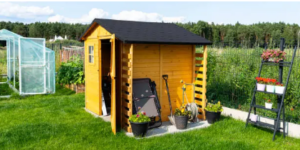
shed builder AdelaideSheds come in a variety of sizes, and the size you choose depends on the type of shed you want. For example, a workshop shed might need a lot of space for tools and equipment. It may also need a window to let in natural light. A firewood shed, on the other hand, needs to be large enough to hold stacks of wood.

It is essential to map out the area where you intend to build your shed before beginning construction. You should also know your region’s frost line. It is important to understand this so that you can construct a solid foundation for your shed.

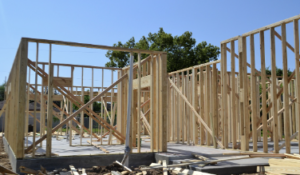
It is advisable to lay a concrete slab before you start building the shed walls. It is so that the foundation can support the weight of your shed and its contents.

Design

Sheds are not only functional but also offer a great way to add value to your home. They can be designed to fit the surrounding landscape and architectural style of your house. In addition, you can add windows and doors to let natural light in and make your shed a cozy and comfortable place to relax.

To construct a shed, you’ll need a number of materials. These include a floor frame, timber skids and rim joists, and wood floorboards. You’ll also need a sheet of roof felt, which keeps the shed watertight, and gravel or concrete for a foundation.

If you plan on building a larger shed, it’s important to know whether you need a permit. A professional can help you prepare the required documents and guide you through the process if necessary.

Purpose

In addition to storage, sheds can be used as workshops or hobby rooms. They can also serve as greenhouses or art studios. Your shed must be well-maintained to avoid costly repairs later on. Check for breaks and leaks and replace parts as needed. Also, make sure your workbenches and shelving are stable.

Custom sheds can be built to a homeowner’s specifications, which means they are more aesthetically pleasing than standard designs. They are also more likely to be compliant with local regulations and zoning laws. They are usually larger than the average backyard shed and may require council approval or building inspections. They are often referred to as shed houses, granny flats or teenage retreats. They can be fitted out with a variety of extras, including partitions, windows and whirlybirds.

Materials

During the construction process, it’s important to use materials that can withstand wear and tear. Resin sheds are a good option for their durability and low maintenance costs. They also offer a wide range of colours and designs to suit your taste. For professional shed builder Adelaide, click here.

Once the base frame is constructed, the walls can be erected. The type of foundation used depends on the desired size and location of the shed. A skid foundation is a budget-friendly option that can be easily moved, while concrete piers are a more durable alternative.

The next step is to install doors and windows, which allow natural light to flood the interior of the shed. Insulation is also a must, as it reduces energy costs. Finally, cladding can be installed to protect the shed from water damage and UV rays.

Installation

A well-designed shed is a key part of any home. It provides storage space for tools, equipment, and other items. It also helps with organization and can provide an attractive look to your yard. You can add shelves and baskets to make it easier to find things.

To ensure that your shed is properly secured, you can install a motion-triggered security camera. It will help deter intruders and make it more difficult for them to break into your shed. It is especially important if you have pets or kids who may be curious about your shed. For professional shed builder Adelaide, click here.