New Zealand’s stunning outdoor landscapes and unpredictable weather make outdoor living both enjoyable and challenging. Whether you’re lounging on a sunny deck in Queenstown or enjoying a coastal breeze in Tauranga, investing in a quality outdoor umbrella is essential for creating a comfortable and shaded environment.
The Importance of an Outdoor Umbrella in NZ’s Climate
 New Zealand is known for its intense UV radiation, primarily due to its thinner ozone layer and relatively low pollution levels. As a result, sun protection is critical. An outdoor umbrella does more than provide shade—it offers vital protection from harmful rays, reduces heat exposure, and adds comfort and style to outdoor settings.
From backyard patios to commercial cafés, outdoor umbrellas are a staple in Kiwi outdoor design. However, not all umbrellas are created equal. Choosing the right one means understanding local weather patterns, your lifestyle needs, and design preferences.
Different Types of Outdoor Umbrellas Available in New Zealand
Market Umbrellas
These are the most common type, featuring a central pole and a classic, round canopy. Ideal for patios, decks, and gardens, market umbrellas are available in a range of sizes and colours to complement various outdoor aesthetics.
Cantilever Umbrellas
Also known as offset umbrellas, these offer versatility by allowing the canopy to be suspended from the side rather than the centre. This design is perfect for larger seating areas or poolside setups where unobstructed space is needed beneath the canopy.
Wall-Mounted Umbrellas
Great for smaller areas or where floor space is limited, wall-mounted umbrellas attach directly to an exterior wall and extend outward. They’re space-saving, practical, and easy to retract when not in use.
Commercial-Grade Umbrellas
For restaurants, resorts, and cafés in New Zealand’s bustling hospitality sector, durable and heavy-duty umbrellas are essential. These are built to withstand strong winds and high usage while maintaining a sleek appearance.
Material Matters: Frame and Fabric Options
Frames: Aluminium vs. Wood vs. Steel
- Aluminium: Lightweight, rust-resistant, and low-maintenance—ideal for coastal areas like Auckland and Nelson.
- Wood: Offers a natural, classic look often seen in luxury resorts or rustic garden settings. However, it requires regular maintenance to prevent weathering.
- Steel: Strong and durable but prone to rust if not properly coated or maintained. Best for sheltered environments.
Fabrics: Polyester vs. Acrylic vs. Olefin
- Polyester: Budget-friendly but less UV-resistant and fades quicker over time.
- Acrylic: Highly durable and UV-resistant, making it a top choice for longevity and colourfastness.
- Olefin: Excellent resistance to moisture, mildew, and fading. It is popular in regions with higher humidity, like the Northland area.
Investing in a high-quality outdoor umbrella with UV-rated fabric ensures both comfort and long-term value, especially under New Zealand’s intense sun.
Sizing and Shape: Matching Your Space
Choosing the right size and shape is crucial for both functionality and aesthetics. Here’s a quick guideline:
- Round or Octagonal Umbrellas: Ideal for small tables or compact courtyards.
- Square Umbrellas: Provide modern symmetry and are ideal for square dining setups or modular outdoor lounges.
- Rectangular umbrellas are perfect for covering long dining tables or poolside loungers.
As a general rule, your outdoor umbrella should extend at least 60–70 cm beyond the area you wish to shade. It ensures sufficient coverage as the sun moves across the sky throughout the day.
Wind Resistance and Stability
Given the gusty conditions in regions like Wellington or Canterbury, wind resistance is a key factor in selecting an outdoor umbrella in New Zealand. Look for these features:
- Wind vents: These allow wind to pass through the umbrella canopy, reducing the risk of tipping or damage.
- Heavy-duty bases: Depending on the umbrella type, weighted bases are essential for anchoring stability.
- Flexible ribs and reinforced joints: These allow the frame to bend without snapping during strong gusts.
Some high-end models even offer automatic tilt and lock mechanisms to quickly adjust the canopy position as the wind or sun shifts.
Conclusion:
Investing in a high-quality outdoor umbrella in New Zealand is about much more than shade—it’s about lifestyle, comfort, and protecting your outdoor spaces year-round. By understanding the various types, materials, and design options available, you can confidently select an umbrella that enhances your outdoor experience while withstanding New Zealand’s unique environmental conditions.
 Osteopathy is a form of manual medicine that emphasises the interrelationship between the body’s structure and function. It involves diagnosing, treating, and preventing health issues by moving, stretching, and massaging a person’s muscles and joints. Unlike other physical therapies, osteopathy views the body as an integrated whole, where dysfunction in one area can affect the entire system.
 The function of a packing box goes far beyond simply holding items. It plays a critical role in:
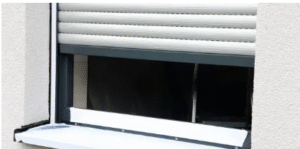 Modern roller shutters are no longer just industrial-looking metal barriers. With advancements in design and technology, they now offer a combination of sleek aesthetics, improved security, insulation, and even automation. Here’s why they’re becoming essential in both residential and commercial properties across Adelaide:
 An electrical fitouts expert is a licensed and highly trained professional who specialises in the design, planning, and implementation of electrical systems within a building. Their role includes everything from setting up lighting and power outlets to integrating complex technologies such as data cabling, security systems, and energy-efficient solutions.

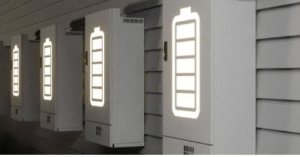 The Tesla Powerwall is a home battery system designed to store energy from either your solar panels or the grid. It automatically detects power outages and can become your home’s primary energy source when needed. Each unit stores up to 13.5 kWh of energy, and multiple Powerwalls can be installed together to suit larger households. It’s compact, wall-mounted, and features smart technology that optimises energy usage and savings.