Category Archives: Agricultural

Net Replacement Film Australia’ The Complete Guide to Upgrading Window Screens for Privacy, Protection, and Comfort

net replacement film

Homeowners across Australia frequently deal with worn-out flyscreens, torn mesh, and outdated window coverings that no longer provide adequate protection from insects, heat, or glare. In response, many are turning to net replacement film as a practical upgrade that improves both functionality and comfort without requiring full window replacement.

This guide explains what net replacement film is, how it works, and why it has become increasingly popular in Australian homes where climate conditions, pests, and UV exposure present ongoing challenges.

What Is Net Replacement Film and Why Australians Are Using It

Net replacement film is a modern alternative to traditional mesh window screens. Instead of woven fibreglass or aluminium mesh, it typically uses high-tensile polymer layers or micro-perforated film designed to maintain airflow while improving durability and visibility.

In Australian conditions—especially in regions like Queensland, Northern NSW, and parts of Western Australia—homeowners often face extreme sun exposure, insects like flies and mozzies, and seasonal storms that damage standard flyscreens. This has driven demand for stronger and more efficient window screening solutions.

Unlike conventional mesh, net replacement film can provide:

● Improved resistance to tearing and sagging

● Better clarity and outward visibility

● Reduced UV penetration

● Easier cleaning and maintenance

For many households, upgrading to net replacement film is a cost-effective way to extend the lifespan of existing window frames while improving indoor comfort.

Key Benefits for Australian Homes

One of the main reasons net replacement film is gaining traction in Australia is its adaptability to diverse climates. Whether in humid coastal cities or dry inland regions, homeowners are looking for solutions that reduce heat and improve livability.

1. Improved Climate Control

Australia’s summers can be intense, and traditional flyscreens often do little to reduce heat transfer. Net replacement film helps soften direct sunlight while still allowing airflow, reducing reliance on air conditioning.

2. Pest Protection Without Compromise

Insects are a year-round issue in many parts of Australia. Net replacement film provides a tight barrier against mosquitoes, flies, and other pests without blocking ventilation.

3. Enhanced Durability

Traditional mesh can warp, rust, or tear over time. Net replacement film is engineered for resilience, especially in coastal environments where salt corrosion is a concern.

At this stage of evaluation, many builders and renovators recommend net replacement film as a long-term alternative to standard flyscreens because of its improved structural stability.

Installation Process: What Homeowners Should Expect

Installing net replacement film is generally less invasive than replacing entire window frames. In most cases, it can be retrofitted into existing flyscreen frames.

Typical installation steps include:

1. Removing the old mesh or damaged screen

2. Measuring and cutting the replacement film

3. Securing the film into the existing frame using spline or adhesive systems

4. Trimming excess material for a tight finish

While DIY installation is possible for handy homeowners, professional fitting is often recommended for larger homes or multi-window properties to ensure proper tension and alignment.

During installation planning, it’s important to choose the correct grade of net replacement film based on exposure levels, window type, and ventilation needs.

Cost Considerations in the Australian Market

Pricing varies depending on material quality, supplier, and whether installation is DIY or professional. In general:

● Basic replacement film kits are more affordable than full flyscreen replacements

● Premium UV-resistant versions cost more but last significantly longer

● Labour costs apply if installed by a window specialist or handyman

Compared to full-window upgrades, net replacement film is considered a mid-range investment with a strong ROI, thanks to reduced energy consumption and improved home comfort.

Where Net Replacement Film Is Most Effective

Different Australian environments benefit from net replacement film in different ways:

● Coastal regions (e.g., Sydney, Brisbane, Perth suburbs): Salt resistance and corrosion protection

● Hot inland areas (e.g., regional NSW, SA): Heat reduction and airflow balance

● Tropical north (e.g., Cairns, Darwin): High insect protection and humidity durability

In all these regions, net replacement film offers a flexible solution that adapts to both environmental stress and lifestyle needs.

Maintenance and Longevity Tips

To maximise performance, simple maintenance practices are recommended:

● Clean with mild soap and water every few months

● Avoid abrasive scrubbing that can damage surface coating

● Inspect frame tension annually

● Replace sections only when necessary, rather than full replacement

Properly maintained net replacement film systems can last several years longer than standard flyscreens, making them a practical long-term upgrade for Australian households.

Is Net Replacement Film Worth It?

For homeowners looking to improve airflow, reduce insects, and enhance window durability without major renovation costs, net replacement film is a strong contender. It strikes a balance between affordability and performance, especially in climates where traditional flyscreens degrade quickly.

The growing adoption across Australia reflects a broader shift toward low-maintenance, energy-conscious home improvements. When installed correctly, net replacement film can significantly improve comfort while reducing ongoing replacement and repair expenses.

Final Thoughts

As Australian homes continue to evolve toward more efficient and resilient building materials, net replacement film stands out as a practical upgrade for both new and older properties. Its combination of durability, visibility, and environmental adaptability makes it especially suitable for Australia’s varied climate conditions.

Whether you’re renovating a coastal home, upgrading a rental property, or simply replacing worn-out screens, net replacement film provides a modern, long-lasting solution worth considering.

Stockinette Bags Buying Tips’ A Complete Guide for Australian Businesses and Households

stockinette bags

Stockinette bags are a versatile and essential solution for storage, packaging, and industrial applications across Australia. Whether you are a small business owner needing reliable packaging or a household looking for durable storage options, understanding how to select the right stockinette bags can save time, money, and frustration. In Australia’s diverse market, factors like material quality, bag size, and environmental standards play a significant role in making the right purchase. This guide will provide practical tips to ensure you invest in stockinette bags that meet your needs while adhering to local requirements.

1. Understand the Material and Quality

The quality of stockinette bags is largely determined by the material used. Most stockinette bags are made from cotton, polyester, or a cotton-poly blend. In Australia, cotton stockinette bags are popular for their softness, flexibility, and eco-friendly properties. Polyester variants, on the other hand, are stronger and more resistant to wear and tear, making them suitable for industrial applications.

When buying stockinette bags locally, check for tightly woven fibres and consistent stitching. High-quality bags will resist tearing and maintain their shape, even after repeated use. Australian suppliers often provide detailed material specifications, which can help you choose bags suitable for your storage or packaging requirements.

2. Consider the Size and Capacity

Stockinette bags come in various sizes, ranging from small pouches for delicate items to large bags suitable for industrial storage. Before purchasing, evaluate your intended use: Are the bags for storing produce, packaging gifts, or holding heavy items? Selecting the correct size ensures efficiency and prevents overloading, which can shorten the bag’s lifespan.

Australian businesses dealing with bulk goods often opt for larger stockinette bags, while households may prefer smaller, multipurpose sizes. Many local suppliers offer custom sizing options, allowing you to tailor the bags to your exact needs.

3. Check Durability and Longevity

Durability is a key consideration, especially for businesses that rely on stockinette bags for shipping or storage. Bags with reinforced seams, strong drawstrings, and high thread count are more likely to withstand repeated use.

In Australia, climate considerations also matter. Bags exposed to sunlight, humidity, or heavy loads require materials that resist fading and stretching. Some Australian suppliers offer UV-resistant or water-repellent stockinette bags, ensuring longer usability in outdoor or demanding environments.

4. Prioritise Eco-Friendliness

Sustainability is increasingly important for Australian consumers and businesses. Many local buyers now prefer biodegradable or recyclable stockinette bags to reduce environmental impact. Cotton bags, for instance, are fully biodegradable and reusable, while some polyester blends can be recycled.

When sourcing stockinette bags, inquire about certifications such as OEKO-TEX or Australian eco-labels. These ensure that the bags meet environmental and safety standards, providing peace of mind that your purchase supports sustainable practices.

5. Evaluate Pricing and Supplier Reputation

Price is always a consideration, but it should be balanced with quality and reliability. In Australia, stockinette bag prices vary depending on material, size, and quantity. Buying in bulk often reduces costs, but always verify the supplier’s reputation.

Check reviews, request samples, and confirm delivery timelines. Local suppliers can offer faster shipping, lower transport costs, and better customer service compared to overseas vendors. Partnering with reputable Australian suppliers also guarantees compliance with local standards, which is critical for businesses.

6. Customisation Options

For branding or specific use cases, many Australian suppliers offer customisation options. Stockinette bags can be printed with logos or labels, or colour-coded for organisation. Customisation adds a professional touch for businesses while enhancing usability for households.

When considering customisation, discuss the printing method and the durability of the inks or dyes to ensure they withstand repeated handling and washing. Some local suppliers also offer eco-friendly printing solutions that align with sustainability goals.

7. Practical Tips for Everyday Use

Once you have purchased stockinette bags, using them efficiently is key. For household storage, label bags clearly and avoid overfilling to maintain shape and accessibility. For business use, regularly inspect bags for wear and rotate stock to prevent damage. Proper care, such as gentle washing for cotton bags, extends their lifespan and maximises their value.

Conclusion

Choosing the right stockinette bags in Australia involves more than just picking a size or colour. By considering material quality, durability, eco-friendliness, supplier reliability, and customisation options, you can make informed decisions that suit both commercial and household needs. High-quality stockinette bags not only provide functional storage and packaging solutions but also contribute to sustainable practices and efficient operations. Australian businesses and households alike can benefit greatly from these practical buying tips, ensuring every investment in stockinette bags is cost-effective, durable, and environmentally responsible.

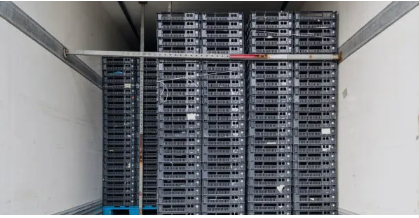
Pallet Freezer Spacers’ Purpose and Practical Use in Australian Cold Storage and Logistics

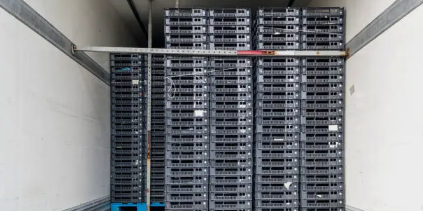
pallet freezer spacers

Australia’s cold storage and refrigerated logistics sector plays a critical role in supporting national food security, export markets, and supply chain resilience. From meat processors in Queensland to seafood exporters in Tasmania and fresh produce distributors in Victoria, maintaining consistent freezer temperatures is essential. One often overlooked but highly effective solution is the use of pallet freezer spacers, which are specifically designed to optimise airflow and temperature control in freezer environments.

Within the first stages of cold storage, pallet freezer spacers help address a common challenge in Australian freezer facilities: uneven air circulation caused by tightly stacked pallets. Without adequate spacing, cold air cannot move freely, leading to inconsistent temperatures, prolonged freezing times, and potential product degradation. By creating uniform gaps between pallets, spacers support efficient freezer performance across a wide range of Australian operating conditions.

Understanding the Purpose of Pallet Freezer Spacers

The primary purpose of pallet freezer spacers is to improve airflow within cold storage environments. In blast freezers and long-term storage freezers, cold air must circulate evenly around all palletised goods. When pallets are placed directly against one another, airflow is restricted, resulting in “hot spots” where products may not freeze or remain frozen at the required temperature.

In Australia, where food safety regulations are stringent and export standards are tightly enforced, this risk can have serious commercial implications. Pallet freezer spacers help mitigate these risks by ensuring cold air reaches all sides of the load. This supports uniform freezing, reduces the risk of spoilage, and helps operators meet HACCP, FSANZ, and export compliance requirements.

Beyond airflow, pallet freezer spacers also serve a protective function. They reduce direct contact between pallets, minimising damage to packaging and pallet structures during freezing and retrieval. This is particularly relevant in high-volume Australian distribution centres that rely on rapid pallet handling and automated racking systems.

Key Uses Across Australian Industries

The use of pallet freezer spacers is widespread across several Australian industries. Meat processing facilities use them to ensure carcasses and boxed meat freeze evenly before domestic distribution or overseas shipment. Seafood processors rely on controlled freezing to maintain texture and quality, especially for export to Asia, Europe, and North America.

In horticulture, frozen fruits and vegetables require consistent temperature management to preserve colour, nutritional value, and shelf life. At this stage, pallet freezer spacers play a vital role in maintaining product integrity from the farm gate through to retail or export terminals. Dairy manufacturers also benefit from improved airflow, particularly when storing butter, cheese, and ice cream in large-scale freezer warehouses.

Cold storage providers servicing multiple clients across Australia increasingly standardise spacer use to maintain consistent performance across diverse product categories. This standardisation simplifies warehouse procedures and supports predictable freezer performance year-round.

Supporting Energy Efficiency and Cost Control

Energy efficiency is a growing concern for Australian cold storage operators due to rising electricity costs and sustainability targets. Poor airflow forces freezer systems to work harder to maintain set temperatures, increasing energy consumption and operating expenses.

By improving circulation, pallet freezer spacers help freezers reach and maintain target temperatures more efficiently. This can reduce compressor run times, lower energy usage, and extend the lifespan of refrigeration equipment. Over time, these efficiency gains can translate into measurable cost savings, particularly for large 24/7 facilities.

Additionally, consistent freezing reduces the need for rework, product disposal, or quality investigations, further strengthening operational efficiency. When used correctly, pallet freezer spacers become a low-cost intervention with a high return on investment for Australian cold storage operations.

Compliance and Food Safety Benefits

Australia’s food safety framework places a strong emphasis on temperature control throughout the supply chain. Whether products are destined for domestic supermarkets or international markets, traceability and temperature consistency are non-negotiable.

Pallet freezer spacers support compliance by helping operators demonstrate that adequate airflow and freezing practices are in place. This is particularly important during audits by regulatory bodies or third-party certification schemes. Proper pallet spacing can also help meet customer specifications, especially for export contracts that require documented freezing performance.

In high-risk environments, such as export abattoirs or seafood processing plants, the use of spacers adds an additional layer of risk management. By reducing temperature variation, operators can be more confident in product safety and shelf-life outcomes.

Practical Considerations for Australian Facilities

When selecting pallet freezer spacers, Australian businesses should consider factors such as freezer size, pallet configuration, and load weight. Spacers must be durable enough to withstand sub-zero temperatures and repeated handling. They should also be easy to clean to support hygiene standards in food-grade environments.

Training staff on correct placement is equally important. Incorrect use can reduce effectiveness and undermine the benefits of airflow. Many Australian facilities integrate spacer use into standard operating procedures to ensure consistency across shifts and locations.

As cold chain demand continues to grow, particularly with increased exports and online grocery delivery, pallet freezer spacers will remain an essential component of efficient freezer design and operation.

Conclusion

The purpose and use of pallet freezer spacers extend well beyond simple pallet separation. In the Australian context, they support airflow optimisation, energy efficiency, regulatory compliance, and product quality across multiple industries. By incorporating pallet freezer spacers into cold storage operations, Australian businesses can strengthen freezer performance, reduce operational risks, and protect the integrity of temperature-sensitive goods throughout the supply chain.

Pallet Freezer Spacers’ How Food-Grade Innovations Are Revolutionising Australia’s Frozen Food Industry1

pallet freezer spacers

In Australia’s vast food supply network, maintaining consistent cold chain efficiency is not just about convenience—it’s about safety, quality, and sustainability. From Queensland’s seafood processors to Victoria’s meat exporters, every link in the cold chain demands reliable freezing systems that meet food safety regulations and maximise operational productivity. One innovation transforming this sector is the use of food-grade pallet freezer spacers, which have become essential in improving airflow, freezing speed, and product integrity throughout Australia’s food and beverage industries.

These specially designed spacers are redefining how Australian manufacturers, distributors, and exporters handle frozen goods. Whether in large-scale abattoirs or dairy storage facilities, food-grade pallet freezer spacers are helping companies reduce energy use, improve freezing consistency, and ensure compliance with Australia’s stringent food safety standards.

Why Pallet Freezer Spacers Matter in the Australian Cold Chain

Australia’s food logistics landscape faces unique challenges, including long transport distances, fluctuating temperatures, and stringent export requirements for meat, seafood, and produce. Pallet freezer spacers are designed to address these challenges directly. By creating uniform air circulation between layers of packaged goods, they allow cold air to penetrate evenly, reducing the time needed to freeze and defrost products.

For exporters, this means improved product consistency and reduced risk of temperature-related spoilage. For local food manufacturers, it translates into higher energy efficiency and faster production turnaround times. When made from high-quality, food-grade pallet freezer spacers, these systems ensure that all materials in contact with food packaging comply with the Australian Food Standards Code, minimising contamination risks and promoting food safety.

The Benefits of Food-Grade Pallet Freezer Spacers

Implementing food-grade pallet freezer spacers across Australian facilities offers several operational and financial benefits that extend beyond simple airflow improvement:

1. Enhanced Freezing Efficiency – Traditional pallet stacking often results in uneven freezing, with interior products taking longer to reach required temperatures. Spacers eliminate this issue, allowing cold air to flow freely around all surfaces.

2. Energy Savings – By reducing freezing times, businesses lower the energy demand of their blast freezers and cold storage units—an essential step in achieving sustainability goals under Australia’s Clean Energy Regulator guidelines.

3. Product Quality Retention – Rapid, uniform freezing helps preserve cellular integrity in meat, seafood, and produce, ensuring that exported goods arrive in top condition, whether they’re headed to Singapore, Japan, or the Middle East.

4. Durability and Hygiene – Because food-grade pallet freezer spacers are made from high-density polyethylene (HDPE) or other food-safe plastics, they’re resistant to cracking, easy to clean, and compliant with HACCP standards.

Industry Applications Across Australia

Across the country, multiple industries have begun integrating food-grade pallet freezer spacers into their cold chain infrastructure:

● Meat and Poultry Processing: Facilities in New South Wales and Queensland use spacers to maintain consistent freezing in large carcass sections, improving export readiness.

● Seafood Processing: Coastal producers, especially in Western Australia and Tasmania, rely on efficient freezing systems to lock in freshness for high-value exports like prawns and salmon.

● Dairy Production: Cheese and butter manufacturers use pallet freezer spacers to stabilise temperature during storage, preserving texture and taste.

● Frozen Produce: In regions such as Victoria and South Australia, fruit and vegetable processors benefit from uniform freezing, which prevents frost damage and extends shelf life.

These widespread applications highlight how adaptable and critical these innovations have become in maintaining Australia’s global reputation for food supply.

Sustainability and Long-Term Value

Sustainability is a growing focus in Australia’s food logistics sector. By improving energy efficiency and reducing waste, food-grade pallet freezer spacers help companies meet environmental targets. Many Australian manufacturers are now adopting reusable, recyclable spacer materials that support a circular economy approach.

Additionally, these spacers reduce the frequency of product spoilage and energy-intensive reprocessing, aligning with national sustainability frameworks, such as the Australian Packaging Covenant Organisation (APCO) initiatives. The long lifespan of HDPE-based spacers—often exceeding several years—provides long-term cost savings, reducing the need for frequent replacements and minimising landfill waste.

Choosing the Right Spacers for Australian Operations

Selecting the correct food-grade pallet freezer spacers depends on several factors, including the type of product being frozen, the size of pallets, and the freezing method used. For instance, blast-freezing facilities may require thicker spacers for improved airflow, while static cold storage may prioritise lighter designs for easier handling.

Australian suppliers now offer customisable options to fit local pallet dimensions (such as CHEP or Loscam pallets) and to comply with Australian Standard AS 2070 for plastic materials in contact with food. Some advanced models even feature interlocking designs and stackable capabilities, enhancing warehouse efficiency.

The Future of Pallet Freezer Technology in Australia

As automation and digital monitoring become more prevalent in Australia’s food supply chain, pallet freezer spacers will continue to evolve. Integration with smart temperature sensors and data-tracking systems can further optimise airflow management and energy consumption. This innovation aligns perfectly with Australia’s growing push toward smart manufacturing and Industry 4.0 integration.

Ultimately, food-grade pallet freezer spacers are more than just a physical tool—they represent a strategic investment in efficiency, sustainability, and compliance. As Australia’s frozen food and export sectors continue to expand, these advanced spacers will remain at the forefront of innovation, ensuring the nation’s cold chain remains among the most reliable and technologically advanced in the world.

Net Wrap in Australia’ How It’s Revolutionising Hay and Silage Farming Practices

net wrap

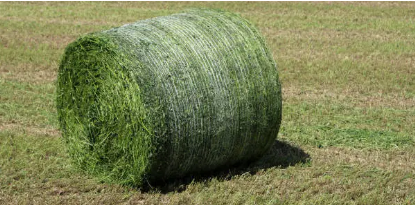
In modern Australian agriculture, efficiency and product quality are everything. Farmers across the country — from the vast cattle stations of Queensland to the dairy farms of Victoria — are constantly seeking ways to protect and preserve their feed. One of the most effective innovations driving this change is net wrap. Used to secure hay and silage bales, net wrap has transformed how farmers handle, store, and transport forage. Its benefits go far beyond convenience, offering tangible advantages in productivity, weather resistance, and long-term feed quality.

The Rise of Net Wrap in Australian Agriculture

Traditionally, farmers relied on twine for baling hay, a method that, while functional, often led to uneven coverage, slower baling speeds, and greater exposure of the bale to weather elements. With the introduction of net wrap, the process has become faster, more efficient, and more reliable. In fact, net wrap can reduce baling time by up to 50% compared to twine, a significant advantage during Australia’s unpredictable weather seasons.

As climate patterns shift, with hotter summers and more erratic rainfall, the need for secure and durable bale wrapping has become more critical than ever. Net wrap provides a tight, uniform layer around the bale, minimising exposure to moisture and air — two of the biggest culprits of spoilage. For Australian farmers facing both drought and heavy rain across different regions, this protection ensures their feed remains in prime condition for longer.

Why Net Wrap Matters for Australian Farmers

The adoption of net wrap is more than a matter of convenience — it’s an economic and environmental decision. Farmers who use net wrap typically experience less feed loss, better retention of bale shape, and faster wrapping times. These advantages translate directly into savings on labour, fuel, and storage space.

Australian agriculture also increasingly emphasises sustainability. High-quality net wraps are now made from recyclable materials and feature enhanced UV resistance, ensuring they withstand Australia’s harsh sunlight without contributing to excessive plastic waste. For many farmers, choosing UV-stabilised wrap means their bales stay intact even when stored outdoors for months.

The Science Behind Net Wrap Performance

At its core, net wrap is a woven polyethylene mesh engineered to provide uniform coverage and strength. What sets premium net wrap apart is its balance of stretch, durability, and UV protection. The wrap stretches slightly during application, allowing it to hold the bale tightly while resisting tearing under tension.

Choosing the Right Net Wrap for Your Operation

Not all net wraps are created equal, and Australian farmers understand that selecting the right product for their equipment and conditions is crucial. When selecting net wrap, consider the following factors:

Bale size and density: Heavier, denser bales require stronger wraps with greater tensile strength.

UV stability: Select wraps rated for high UV exposure, particularly in regions such as Western Australia and Queensland.

Roll length and compatibility: Ensure the roll fits your baler model to avoid downtime or mechanical issues.

Ease of removal and recycling: Some modern wraps are designed to peel off easily, making feeding and disposal simpler.

Economic and Environmental Benefits

Beyond operational efficiency, the financial benefits of net wrap are significant. Because it reduces baling time and improves bale integrity, farmers can save on fuel costs and reduce the number of damaged bales during storage. This efficiency becomes particularly important during harvest peaks, when every minute counts.

Environmentally, many net wraps used in Australia are now made with recyclable polyethylene. Programs are emerging to collect and repurpose used wraps, helping reduce the environmental footprint of plastic use in agriculture. Additionally, improved wrapping efficiency means fewer resources are wasted overall — a small but vital contribution to sustainable farming.

The government’s push for more environmentally responsible farming practices has further accelerated this shift. Using recyclable materials and reducing wastage aligns well with Australia’s broader agricultural sustainability goals, ensuring the sector remains competitive and eco-conscious.

The Future of Net Wrap Technology in Australia

Innovation in net wrap design continues to evolve rapidly. Manufacturers are experimenting with biodegradable materials, enhanced UV inhibitors, and smart identification systems that help track bale quality. These advancements will further streamline operations, allowing Australian farmers to work smarter, not harder.

Automation and precision farming technologies are also beginning to integrate with baling systems. Modern balers equipped with sensors can automatically adjust wrap tension and layering based on bale size and moisture content. This precision ensures optimal wrapping every time, extending the bale’s life and preserving feed quality.

In the coming years, the role of net wrap in Australia is expected to expand even further as farmers seek to balance profitability, sustainability, and resilience in an increasingly unpredictable climate.

Conclusion: A Smarter Way to Secure Australia’s Harvest

From the sprawling farms of Western Australia to the fertile plains of New South Wales, net wrap has become an indispensable ally for modern farmers. Its combination of speed, durability, and weather resistance makes it an ideal solution for preserving hay and silage in Australia’s diverse environments.

As the industry continues to innovate, net wrap stands as a symbol of how technology and tradition can coexist — protecting the harvest, enhancing efficiency, and ensuring that Australian farmers remain leaders in quality and sustainability. In the years ahead, the simple act of wrapping a bale will continue to represent something much larger: the ongoing evolution of Australian agriculture.

Commercial Builders in Melbourne: How Expert Commercial Builders Are Shaping the Future of Urban Development in Victoria

commercial builders Melbourne

Melbourne, the vibrant heart of Victoria, is renowned for its rich cultural heritage, thriving economy, and ever-evolving skyline. Behind the city’s iconic towers and innovative architectural landmarks lies the meticulous expertise of commercial builders who are driving the transformation of urban spaces. From cutting-edge office complexes to sustainable residential projects, these expert commercial builders are redefining how cities grow, function, and inspire.

The Role of Expert Commercial Builders in Modern Urban Development

Urban development is no longer just about constructing buildings—it’s about creating functional, sustainable, and aesthetically compelling environments that cater to the needs of businesses, residents, and the community. Expert commercial builders bring together design, engineering, and construction prowess to ensure projects are delivered efficiently and to the highest standard. Their role extends beyond mere execution; they are problem solvers who translate architectural visions into tangible structures while navigating complex regulatory frameworks.

In Melbourne, a city characterised by rapid growth and increasing urban density, the contribution of these builders is indispensable. Their ability to combine technical proficiency with innovative construction methods ensures that the city not only grows but thrives in a sustainable and organised manner.

Driving Innovation with Cutting-Edge Construction Techniques

One of the key differentiators of expert commercial builders is their commitment to innovation. Modern construction techniques—ranging from modular construction to prefabrication and advanced building information modelling (BIM)—allow projects to be completed faster, safer, and with greater precision. By leveraging these technologies, expert commercial builders minimise waste, optimise resources, and reduce environmental impact.

For instance, prefabricated components enable the off-site construction of building modules, which are later assembled on-site. This approach not only accelerates project timelines but also enhances quality control, as components are manufactured under controlled conditions. Expert commercial builders in Melbourne have increasingly adopted these methods to meet the growing demand for high-rise office towers, mixed-use complexes, and sustainable residential developments.

Sustainability: A Core Focus for the Future

Sustainability is no longer an optional consideration—it is central to contemporary urban development. Expert commercial builders in Victoria are leading the charge by integrating green building practices into every stage of construction. From energy-efficient designs and renewable energy integration to water conservation systems and environmentally responsible materials, these builders are ensuring that Melbourne’s skyline evolves in harmony with ecological imperatives.

For commercial projects, sustainability translates into reduced operational costs, enhanced occupant comfort, and improved corporate reputation. Expert commercial builders are also skilled in achieving certifications such as Green Star and NABERS ratings, which demonstrate a building’s commitment to environmental performance. By prioritising sustainability, these professionals contribute not only to the city’s architectural prestige but also to its long-term resilience.

Enhancing Melbourne’s Urban Aesthetic

Melbourne’s skyline is a blend of historic charm and modern sophistication. Expert commercial builders play a pivotal role in maintaining this balance by collaborating closely with architects, urban planners, and local authorities. Their insight ensures that new developments complement existing urban landscapes while introducing innovative design elements that enhance the city’s identity.

High-rise office towers, luxury residential complexes, and mixed-use developments are no longer just functional structures—they are architectural statements that define Melbourne’s skyline. Through meticulous planning and expert execution, commercial builders create visually striking yet practical buildings that enhance the city’s reputation as a global urban hub.

Collaboration: The Key to Successful Projects

No construction project exists in isolation. Expert commercial builders excel in fostering collaboration among architects, engineers, consultants, and contractors. Their ability to coordinate multidisciplinary teams ensures that projects are executed efficiently and harmoniously, with minimal disruptions.

Collaboration also extends to the community, with builders engaging stakeholders to address concerns and integrate public feedback. This approach not only enhances project outcomes but also strengthens the relationship between urban developers and the communities they serve.

Conclusion:

Expert commercial builders are the driving force behind Melbourne’s transformation into a modern, sustainable, and economically vibrant city. Their ability to blend innovation, technical expertise, and collaborative problem-solving ensures that every project not only enhances the skyline but also contributes to the city’s long-term growth and resilience.

As Melbourne continues to evolve, these professionals will remain central to shaping an urban landscape that reflects both architectural excellence and sustainable development. By entrusting the city’s future to skilled and experienced builders, Victoria can look forward to a skyline that is as dynamic, forward-thinking, and inspiring as the community it serves.

Baler Twine Its History and Evolution in Australian Agriculture

baler twine

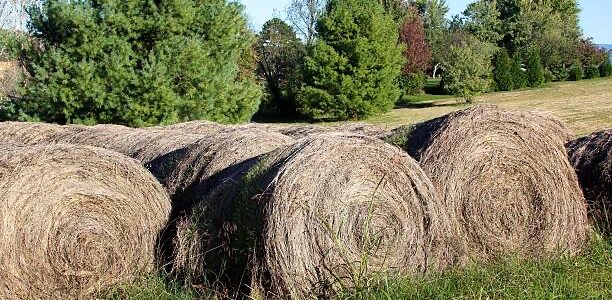
Agriculture has been a cornerstone of Australia’s economy and culture for centuries. Central to this sector’s productivity is the humble yet vital tool known as baler twine. Baler twine Australia has played a significant role in shaping modern farming practices by improving efficiency, reducing waste, and securing hay and straw for livestock. Understanding the history and evolution of baler twine in Australian agriculture offers valuable insights into the country’s agricultural advancements and innovations.

Early Beginnings: The Introduction of Baling Techniques in Australia

The origins of baler twine usage in Australia date back to the early 20th century, coinciding with the broader mechanisation of farming. Prior to mechanised baling, Australian farmers manually gathered and tied hay and straw—a labour-intensive process prone to inconsistencies and losses. The introduction of the baler machine, originally developed in the United States, revolutionised the way farmers handled forage crops.

As these machines became available in Australia, baler twine emerged as an indispensable accessory. Early baler twine was typically made from natural fibres such as sisal or jute. These materials, while biodegradable and readily available, posed challenges due to limited strength and susceptibility to moisture damage in Australia’s often harsh climate. Farmers had to balance affordability with functionality, sparking early demand for more durable alternatives.

Transition to Synthetic Fibres: Strengthening Agricultural Practices

By the mid-20th century, the agricultural sector in Australia experienced a technological leap with the shift from natural fibre twines to synthetic baler twine. This change marked a significant milestone in the evolution of baler twine Australia. Made primarily from polypropylene, synthetic twine offered superior strength, elasticity, and resistance to rot and UV damage—traits perfectly suited for Australia’s diverse farming environments.

The adoption of synthetic baler twine facilitated larger and denser bales, improving transportation and storage efficiency. Farmers could now bale hay and straw more quickly and securely, reducing losses from weather exposure and mechanical damage. This transition also contributed to the modernisation of Australian farms, allowing them to meet the growing demands of livestock production and export markets.

Innovations in Baler Twine: Meeting Modern Agricultural Needs

In recent decades, baler twine Australia has continued to evolve alongside advances in agricultural machinery and sustainability concerns. Today’s baler twines are engineered to meet precise specifications, including tensile strength, elongation, and compatibility with high-speed balers used on large-scale farms.

Innovations include colour-coded twines for bale identification, UV-stabilised fibres for extended outdoor durability, and biodegradable options catering to environmental sustainability. Australian manufacturers and importers have responded to the unique challenges of local climates and farming styles by offering a wide range of twine products tailored to various crops and bale sizes.

Moreover, the development of knotless baler twine technology has enhanced bale integrity, minimising the risk of twine breakage during handling. These advancements have allowed Australian farmers to maintain high productivity levels while addressing ecological concerns and operational costs.

Regional Significance: How Baler Twine Supports Australian Farming Communities

Australia’s vast agricultural regions—from the grain belts of New South Wales and Victoria to the cattle stations of Queensland—have diverse requirements for baler twine. In these regions, baler twine is more than just a tool; it’s a vital component that supports livelihoods and rural economies.

For example, the wheat-growing areas rely on durable baler twine to secure straw bales used for animal bedding and erosion control. In cattle and sheep country, hay baling is essential for winter feed, and reliable twine ensures that bales maintain shape and quality through transport and storage. The availability and quality of baler twine directly impact farming efficiency, product quality, and ultimately, profitability.

Future Trends: Sustainability and Technology in Baler Twine Australia

Looking forward, the future of baler twine in Australian agriculture is likely to be shaped by a strong focus on sustainability and smart farming technologies. The increasing adoption of biodegradable baler twine offers promising solutions to reduce plastic waste in rural areas—a critical environmental concern.

Simultaneously, integration with digital agriculture tools such as bale tracking systems and automated balers requires baler twine that can perform consistently under new operational standards. Australian manufacturers and agricultural innovators are investing in research and development to produce twines that not only meet these demands but also contribute to the circular economy.

Conclusion

The journey of baler twine Australia from natural fibres to advanced synthetic and biodegradable materials mirrors the broader evolution of Australian agriculture—from manual labour to mechanised efficiency and sustainable practices. As a critical link in the agricultural supply chain, baler twine continues to empower farmers across Australia, ensuring the secure storage and transportation of forage crops vital for the country’s livestock industry.

Understanding this history enriches our appreciation of the seemingly simple twine that holds together much of Australia’s agricultural productivity. With ongoing innovation and regional adaptation, baler twine remains a foundational element supporting the growth and resilience of Australian farming communities well into the future.

Silage Plastic Its Role in Enhancing Australian Dairy Farm Productivity

Silage Plastic

In the competitive landscape of Australian dairy farming, maximising productivity while maintaining quality and sustainability is essential. One often overlooked yet critical component in achieving this balance is the use of silage plastic. From preserving feed quality to reducing wastage, silage plastic has become an indispensable tool for Australian dairy farmers aiming to optimise their operations in an ever-evolving agricultural environment.

The Importance of Silage in Australian Dairy Farming

Silage plays a crucial role in providing nutritious feed for dairy cattle, particularly during periods when fresh pasture is scarce, such as during the dry Australian summers or when unpredictable weather patterns prevail. Properly fermented silage can significantly impact milk yield and animal health, but its success largely depends on how well the forage is preserved.

This is where silage plastic steps in. By creating an airtight environment around the chopped forage, silage plastic enables controlled fermentation, preserving nutrients and preventing spoilage caused by oxygen exposure. The use of silage plastic ensures that high-quality feed is available year-round, which directly contributes to sustained dairy production.

How Silage Plastic Improves Feed Quality and Reduces Waste

One of the biggest challenges for dairy farmers is feed wastage. Spoiled silage not only leads to economic loss but also compromises animal nutrition. Silage plastic forms an effective barrier against air and moisture, critical factors that accelerate silage deterioration.

Australian farms often face harsh climatic conditions—high temperatures and variable rainfall—that can exacerbate spoilage. With the right silage plastic application, farmers can maintain an optimal fermentation environment despite external factors. This consistent preservation reduces feed wastage and helps maintain the palatability and nutrient profile of silage, ensuring cows receive the necessary energy for optimal milk production.

Moreover, advances in silage plastic technology have introduced UV-resistant and puncture-proof materials, specifically designed to withstand Australia’s tough environmental conditions. These innovations extend the lifespan of silage covers and further protect feed quality.

Economic Benefits for Australian Dairy Farmers

The financial implications of using high-quality silage plastic extend beyond feed preservation. By minimising silage losses, farmers reduce the need to purchase supplementary feed, leading to significant cost savings. Furthermore, the consistent availability of nutrient-rich feed supports better herd health and higher milk yields, improving overall farm profitability.

In regions such as Victoria, New South Wales, and Tasmania, where dairy farming constitutes a major agricultural sector, adopting silage plastic is becoming a standard practice. Australian dairy farmers recognise that investment in proper silage management is an investment in the long-term productivity and sustainability of their farms.

Environmental and Sustainability Considerations

Sustainability is a growing focus in Australian agriculture, and silage plastic usage plays a role in reducing environmental impact. By preserving silage effectively, farmers can minimise feed wastage, which in turn reduces methane emissions from decomposing organic matter. Efficient feed use also supports better livestock management practices aligned with Australia’s environmental targets.

Additionally, ongoing efforts in Australia aim to improve the recycling and disposal of silage plastic waste. Some regions have introduced collection programs for used silage wrap to ensure proper recycling, which helps reduce plastic pollution on farms and in surrounding ecosystems. These initiatives encourage farmers to adopt sustainable practices without compromising productivity.

Best Practices for Silage Plastic Application in Australia

For Australian dairy farmers to fully benefit from silage plastic, correct application techniques are essential. Key best practices include:

  • Selecting the Right Plastic: Choose silage plastic with appropriate thickness, UV resistance, and puncture durability suited for local climate conditions.
  • Proper Wrapping Techniques: Ensuring tight and complete wrapping minimises oxygen ingress, which is critical for effective fermentation.
  • Storage and Handling: Store silage plastic rolls in shaded areas to prevent damage from prolonged sun exposure before use.
  • Timely Removal and Recycling: Prompt removal of plastic after silage use and participation in recycling programs support environmental sustainability.

Training and extension services offered by Australian agricultural bodies assist farmers in optimising silage plastic use and achieving better outcomes.

The Future of Silage Plastic in Australian Dairy Farming

As Australia’s dairy industry continues to evolve, so will the technologies supporting it. Innovations such as biodegradable silage plastics and enhanced multilayer films promise to reduce environmental footprints further while improving silage preservation.

Moreover, integration with precision agriculture tools—like drones and sensors—could enable farmers to monitor silage quality in real-time and adjust storage methods accordingly. These advancements will empower Australian dairy farmers to maintain productivity in the face of climate challenges and market demands.

Conclusion

Silage plastic is a critical factor in enhancing the productivity of Australian dairy farms. By ensuring superior preservation of silage, it supports animal nutrition, reduces feed wastage, and improves overall farm profitability. Coupled with sustainable management practices, silage plastic use aligns with the future-focused vision of Australian agriculture—one that balances productivity, economic viability, and environmental stewardship.

For Australian dairy farmers looking to stay competitive, investing in the right silage plastic and adopting best practices is not just an option but a necessity in driving success.

Bale Wrap: How Australian Farmers Are Enhancing Silage Quality and Sustainability

bale wrap

In recent years, bale wrap technology has revolutionised the way Australian farmers manage and store silage. As agriculture evolves to meet the demands of sustainability and efficiency, innovative bale wrap solutions are playing a critical role in preserving forage quality while reducing environmental impact. This article explores the latest advancements in bale wrap technology and how they are empowering Australian farmers to optimise silage production, improve feed quality, and foster sustainable farming practices.


The Role of Bale Wrap in Modern Silage Management

bale wrap
how australian farmers are enhancing silage quality and sustainability

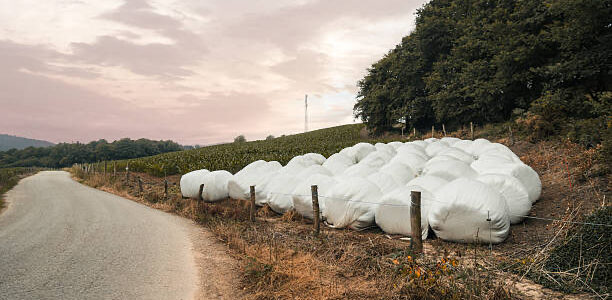
Bale wrap is essential for protecting silage from air and moisture, ensuring fermentation proceeds correctly to preserve nutrients. Traditionally, bale wrap consisted of simple plastic films that formed airtight seals around round or square bales, preventing spoilage caused by oxygen exposure and microbial contamination.


However, conventional bale wrap had limitations — it was often prone to tearing, had relatively short UV resistance, and created significant plastic waste. These issues prompted researchers and manufacturers to innovate, aiming to extend bale wrap durability, improve silage quality, and address environmental concerns.


Advanced Materials: Enhancing Durability and Protection

One of the most significant innovations in bale wrap technology lies in the development of advanced polymer blends. New-generation bale wrap films utilise multilayer constructions combining polyethylene with UV stabilisers, anti-puncture additives, and enhanced stretchability.

These improvements mean bale wrap now offers superior resistance to:


UV degradation allows bales to remain protected for extended periods, even in harsh Australian climates.

Mechanical damage from handling and weather exposure reduces the risk of oxygen ingress.

Temperature fluctuations can affect the maintenance of a consistent microenvironment for optimal fermentation.


The enhanced durability reduces the need for frequent re-wrapping and minimises silage spoilage, directly benefiting farm productivity and profitability.


Clever Bale Wrap: Integration of Sensor Technologies

Another cutting-edge development in bale wrap technology is the integration of smart sensors. These sensors embedded within the bale wrap can monitor key parameters such as temperature, oxygen levels, and moisture content inside the bale in real time.

For Australian farmers, this means:


Early detection of potential silage spoilage.

Data-driven decision-making to optimise feeding schedules and reduce waste.

Improved traceability and quality control throughout the storage period.


Innovative bale wrap systems often connect to mobile devices, enabling farmers to remotely monitor their silage and intervene promptly if problems arise. This real-time monitoring contributes to higher feed quality and operational efficiency.


Biodegradable and Recyclable Bale Wrap: Towards Sustainability

Environmental sustainability is a growing priority for Australian agriculture. Traditional bale wrap, typically made from non-biodegradable plastics, has posed disposal challenges and environmental risks.


In response, manufacturers have developed biodegradable bale wrap options made from bio-based polymers that break down naturally under composting conditions. These options provide farmers with:


Reduced plastic waste accumulation on farms.

Lower environmental footprint without compromising silage preservation.

Compliance with evolving regulations on agricultural plastic waste management.


Moreover, some companies are promoting bale wrap recycling programs, encouraging farmers to return used wrap for proper processing. Innovations in bale wrap recycling technologies have made it easier to convert used films into new plastic products, closing the loop and supporting circular economy principles.


Improved Application Machinery: Precision Wrapping for Optimal Performance

Innovations are not limited to the bale wrap material itself but extend to the machinery used for wrapping. Modern bale wrapping machines feature:

Automated tension control systems that optimise film stretch and adhesion, ensuring consistent airtight seals.


GPS and thoughtful guidance to enhance precision in large-scale operations.

Faster wrapping speeds with minimal film overlap, reducing material usage and waste.


These technological advances allow Australian farmers to wrap bales more efficiently and uniformly, enhancing silage quality and reducing the overall cost of bale wrap usage.


Economic Benefits: Balancing Cost and Quality

While innovative bale wrap materials and technologies may come at a higher initial cost, the long-term economic benefits are substantial. By minimising silage spoilage and reducing the need for re-wrapping, farmers can:


Save on feed costs by preserving more nutrients.

Improve livestock productivity through higher-quality forage.

Reduce labour and machinery wear associated with inefficient wrapping processes.


Moreover, adopting biodegradable or recyclable bale wrap can mitigate potential future regulatory costs related to plastic disposal and environmental compliance.


Conclusion:

Innovations in bale wrap technology are transforming silage management across Australia, enabling farmers to protect feed quality while advancing sustainability goals. From advanced materials offering superior durability to smart sensor integration and biodegradable options, modern bale wrap solutions deliver tangible economic and environmental benefits.

Silage Covers: Understanding Different Types Available in the Market

When it comes to preserving high-quality forage, silage covers play a critical role in protecting feed from spoilage and weather damage. For Australian farmers, choosing the right type of silage cover is not just about prolonging feed life—it’s about ensuring livestock performance, reducing waste, and improving overall farm profitability. With the diverse climates across the country—from the tropical north to the temperate south—selecting the most suitable cover for your region and farming operation is essential.


Silage Covers
Types of silage covers

This article explores the different types of silage covers available in Australia, highlighting their key benefits, applications, and what makes each one suitable for local farming conditions.


Standard Black-on-White Plastic Covers

The most common type used across Australian farms, black-on-white plastic covers are known for their simplicity and cost-effectiveness. The white outer layer reflects sunlight, preventing overheating, while the black underside blocks light to inhibit aerobic spoilage.


Advantages:

  • Affordable and widely available.
  • Good UV protection for short to medium-term use.
  • Suitable for most temperate Australian regions.


However, in areas with high winds or intense UV exposure, such as rural South Australia or Western Australia, these covers may degrade more quickly and require additional reinforcement or protective mesh.


Oxygen Barrier Silage Covers

A step up in preservation technology, oxygen barrier covers are specifically engineered to reduce air infiltration. These multilayer films are thinner than traditional plastics but offer superior sealing performance. They sit directly on the silage surface, forming an airtight layer that dramatically reduces spoilage.


Benefits for Australian farms:

  • Ideal for regions with unpredictable weather, like coastal Queensland or northern NSW.
  • Excellent for high-value feed crops such as maize or lucerne.
  • Significantly reduces dry matter loss and surface spoilage.


Oxygen barrier silage covers are especially popular among large-scale dairy producers aiming to maintain premium feed quality.


Reinforced and UV-Stabilised Covers

Given Australia’s harsh sunlight and frequent high winds, reinforced UV-stabilised silage covers are gaining traction. These covers incorporate additional strength materials such as mesh or woven layers, offering durability that’s ideal for multi-season use.


Best suited for:

  • Wind-prone areas, such as the Western Plains or outback regions.
  • Farmers are looking for longer-lasting solutions with minimal replacement frequency.
  • Covering bunkers or clamps that will remain sealed for extended periods.


Although these covers are more expensive upfront, their extended lifespan often makes them more economical over time.


Multi-Layer Silage Systems (Double Cover Method)

A more advanced option for Australian producers is the multi-layer system, typically involving an oxygen barrier film laid directly on the silage, followed by a secondary protective silage cover. This dual-layer approach enhances airtightness while shielding the underlying film from physical damage and UV exposure.

Why choose multi-layer systems in Australia?

  • Optimal for high-rainfall areas like Gippsland or Tasmania.
  • Enhances silage compaction and fermentation quality.
  • Reduces reliance on tyres or sandbags for securing covers.


Although this method involves more material and effort, the gains in feed quality and reduced losses make it increasingly attractive to precision-focused operations.


Eco-Friendly and Recyclable Silage Covers

Sustainability is a growing concern in Australian agriculture, prompting interest in eco-friendly silage covers. These include recyclable plastics and biodegradable options that break down naturally after use. While still emerging in Australia, such covers are beginning to appear in progressive farms and research-backed trials.


Emerging features:

  • Reduced environmental footprint.
  • Some qualify for government grants or incentives related to sustainable farming practices.
  • A viable option for organic or regenerative farming systems.


Before choosing these products, it’s essential to ensure their performance matches conventional options under local climatic conditions.


Selecting the Right Silage Cover for Your Operation

When choosing silage covers in Australia, farmers must consider more than just price. Climate, forage type, storage duration, and scale all play vital roles in determining the best option. For example:


  • In hot, dry areas, UV-stabilised reinforced covers may offer the most durability.
  • For premium feed and minimal loss, opt for oxygen barrier or multi-layer systems.
  • If sustainability is a priority, explore recyclable or biodegradable alternatives.


Consulting with local agricultural suppliers or agronomists can provide guidance tailored to your specific region and storage setup.


Final Thoughts

The Australian agricultural landscape is as varied as its climate zones, and choosing the right silage covers can have a significant impact on forage quality and overall farm profitability. Whether you’re a small-scale beef producer in Victoria or a large dairy operation in Queensland, investing in the right cover can reduce spoilage, lower costs, and improve livestock outcomes.


By understanding the different types of silage covers available and their unique benefits, Australian farmers can make confident, informed decisions that support both productivity and sustainability on their farms.