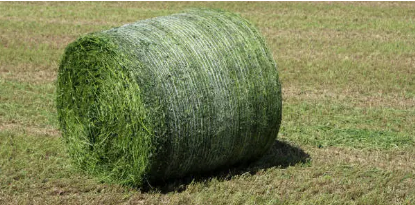
In modern Australian agriculture, efficiency and product quality are everything. Farmers across the country — from the vast cattle stations of Queensland to the dairy farms of Victoria — are constantly seeking ways to protect and preserve their feed. One of the most effective innovations driving this change is net wrap. Used to secure hay and silage bales, net wrap has transformed how farmers handle, store, and transport forage. Its benefits go far beyond convenience, offering tangible advantages in productivity, weather resistance, and long-term feed quality.
The Rise of Net Wrap in Australian Agriculture
Traditionally, farmers relied on twine for baling hay, a method that, while functional, often led to uneven coverage, slower baling speeds, and greater exposure of the bale to weather elements. With the introduction of net wrap, the process has become faster, more efficient, and more reliable. In fact, net wrap can reduce baling time by up to 50% compared to twine, a significant advantage during Australia’s unpredictable weather seasons.
As climate patterns shift, with hotter summers and more erratic rainfall, the need for secure and durable bale wrapping has become more critical than ever. Net wrap provides a tight, uniform layer around the bale, minimising exposure to moisture and air — two of the biggest culprits of spoilage. For Australian farmers facing both drought and heavy rain across different regions, this protection ensures their feed remains in prime condition for longer.
Why Net Wrap Matters for Australian Farmers
The adoption of net wrap is more than a matter of convenience — it’s an economic and environmental decision. Farmers who use net wrap typically experience less feed loss, better retention of bale shape, and faster wrapping times. These advantages translate directly into savings on labour, fuel, and storage space.
Australian agriculture also increasingly emphasises sustainability. High-quality net wraps are now made from recyclable materials and feature enhanced UV resistance, ensuring they withstand Australia’s harsh sunlight without contributing to excessive plastic waste. For many farmers, choosing UV-stabilised wrap means their bales stay intact even when stored outdoors for months.
The Science Behind Net Wrap Performance
At its core, net wrap is a woven polyethylene mesh engineered to provide uniform coverage and strength. What sets premium net wrap apart is its balance of stretch, durability, and UV protection. The wrap stretches slightly during application, allowing it to hold the bale tightly while resisting tearing under tension.
Choosing the Right Net Wrap for Your Operation
Not all net wraps are created equal, and Australian farmers understand that selecting the right product for their equipment and conditions is crucial. When selecting net wrap, consider the following factors:
Bale size and density: Heavier, denser bales require stronger wraps with greater tensile strength.
UV stability: Select wraps rated for high UV exposure, particularly in regions such as Western Australia and Queensland.
Roll length and compatibility: Ensure the roll fits your baler model to avoid downtime or mechanical issues.
Ease of removal and recycling: Some modern wraps are designed to peel off easily, making feeding and disposal simpler.
Economic and Environmental Benefits
Beyond operational efficiency, the financial benefits of net wrap are significant. Because it reduces baling time and improves bale integrity, farmers can save on fuel costs and reduce the number of damaged bales during storage. This efficiency becomes particularly important during harvest peaks, when every minute counts.
Environmentally, many net wraps used in Australia are now made with recyclable polyethylene. Programs are emerging to collect and repurpose used wraps, helping reduce the environmental footprint of plastic use in agriculture. Additionally, improved wrapping efficiency means fewer resources are wasted overall — a small but vital contribution to sustainable farming.
The government’s push for more environmentally responsible farming practices has further accelerated this shift. Using recyclable materials and reducing wastage aligns well with Australia’s broader agricultural sustainability goals, ensuring the sector remains competitive and eco-conscious.
The Future of Net Wrap Technology in Australia
Innovation in net wrap design continues to evolve rapidly. Manufacturers are experimenting with biodegradable materials, enhanced UV inhibitors, and smart identification systems that help track bale quality. These advancements will further streamline operations, allowing Australian farmers to work smarter, not harder.
Automation and precision farming technologies are also beginning to integrate with baling systems. Modern balers equipped with sensors can automatically adjust wrap tension and layering based on bale size and moisture content. This precision ensures optimal wrapping every time, extending the bale’s life and preserving feed quality.
In the coming years, the role of net wrap in Australia is expected to expand even further as farmers seek to balance profitability, sustainability, and resilience in an increasingly unpredictable climate.
Conclusion: A Smarter Way to Secure Australia’s Harvest
From the sprawling farms of Western Australia to the fertile plains of New South Wales, net wrap has become an indispensable ally for modern farmers. Its combination of speed, durability, and weather resistance makes it an ideal solution for preserving hay and silage in Australia’s diverse environments.
As the industry continues to innovate, net wrap stands as a symbol of how technology and tradition can coexist — protecting the harvest, enhancing efficiency, and ensuring that Australian farmers remain leaders in quality and sustainability. In the years ahead, the simple act of wrapping a bale will continue to represent something much larger: the ongoing evolution of Australian agriculture.