 Bale wrap plays a crucial role in Australia’s agricultural industry, particularly in preserving silage and hay for livestock. Given the country’s diverse climate conditions, from arid regions to temperate zones, selecting the right bale wrap ensures optimal feed quality, reduces spoilage, and enhances farm efficiency.
In this article, we will explore the benefits of bale wrap, key considerations when choosing the right product, and how it contributes to sustainable farming practices. For high strength bale wrap, click here.
What is Bale Wrap?
Bale wrap is a stretchable plastic film used to tightly seal bales of forage, such as hay or silage, protecting them from external elements like moisture, oxygen, and pests. By wrapping bales effectively, farmers can preserve nutrients, reduce spoilage, and create high-quality feed for livestock throughout the year. The airtight seal created by bale wrap supports anaerobic fermentation, which is essential for maintaining the nutritional integrity of the stored fodder.
Benefits of Using Bale Wrap in Australia
Enhanced Silage Quality
Using bale wrap significantly improves silage quality by preventing exposure to oxygen. This anaerobic environment promotes proper fermentation, resulting in higher energy and protein content in the feed. It is particularly beneficial for Australian farmers who rely on stored fodder to maintain livestock nutrition during dry seasons.
Protection Against Harsh Weather
Australia’s climate can be unpredictable, with extreme temperatures, high winds, and occasional heavy rainfall. Bale wrap provides an effective barrier against these elements, ensuring that forage remains protected from excessive moisture, UV exposure, and contamination.
Reduced Waste and Spoilage
Without proper storage, hay and silage can degrade quickly due to mould, pests, and exposure to air. Bale wrap helps minimise spoilage by maintaining the integrity of the bale and keeping out harmful microorganisms. This results in less feed loss and greater cost efficiency for farmers.
Easy Handling and Storage
Wrapped bales are easier to transport and store than loose forage. Their compact, sealed design allows for stacking and optimising space on farms. Additionally, wrapped bales are portable and can be stored closer to livestock, reducing handling time and labour costs.
Cost-Effective Solution
Although the initial investment in quality bale wrap may seem high, the long-term benefits outweigh the costs. By reducing spoilage and preserving more feed, farmers can lower their overall expenses and maximise their return on investment.
Choosing the Right Bale Wrap in Australia
Selecting the best bale wrap for your farm requires consideration of several key factors:
UV Resistance
Due to Australia’s intense sunlight, UV-resistant bale wrap is essential. Prolonged exposure to UV rays can weaken plastic films, leading to tears and compromised silage quality. Look for high-quality wraps with UV stabilisers to ensure longevity.
Thickness and Strength
Bale wrap is available at various thickness levels and is commonly measured in microns. Thicker wraps offer better puncture resistance and durability, making them ideal for rough handling and long-term storage.
Stretch and Adhesion Properties
A good bale wrap should have excellent stretchability and cling properties to ensure a tight seal. It prevents air pockets, which can lead to spoilage and reduced feed quality.
Compatibility with Bale Wrapping Equipment
Different types of bale wrapping machines may require specific types of wrap. Ensure that the bale wrap you choose is compatible with your equipment to achieve optimal wrapping results.
Environmental Considerations
Sustainability is becoming a significant focus in Australian agriculture. Many manufacturers now offer biodegradable or recyclable bale wrap options. Choosing an eco-friendly bale wrap can help reduce plastic waste and promote sustainable farming practices.
Conclusion:
Bale wrap is an essential component of modern Australian farming, providing superior protection for silage and hay. By investing in high-quality bale wrap, farmers can ensure better feed preservation, reduced spoilage, and improved livestock nutrition. Additionally, adopting sustainable wrapping practices can contribute to environmental conservation while maintaining farm efficiency. Whether you are a small-scale farmer or managing a large agricultural operation, choosing the right bale wrap is key to maximising productivity and profitability.
If you’re looking for reliable bale wrap options in Australia, explore local suppliers and choose products that meet your specific farming requirements. With the right bale wrap, you can secure high-quality feed for your livestock all year round.
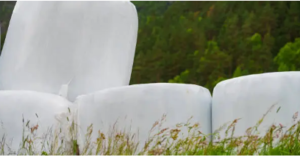 Silage wrap film is a durable, stretchable plastic material specifically designed for ensiling forage crops. It is typically made from polyethylene, a polymer known for its strength, flexibility, and impermeability to air and water. The film is manufactured in rolls of varying widths and thicknesses to accommodate different silage storage systems and bale sizes.