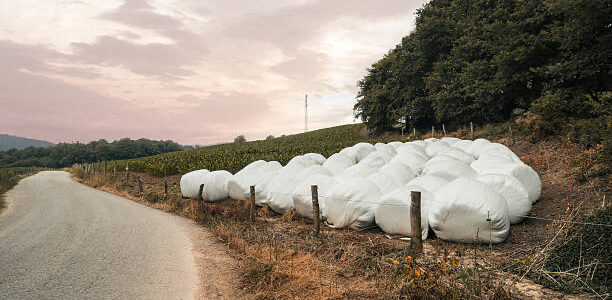
In the competitive landscape of Australian dairy farming, maximising productivity while maintaining quality and sustainability is essential. One often overlooked yet critical component in achieving this balance is the use of silage plastic. From preserving feed quality to reducing wastage, silage plastic has become an indispensable tool for Australian dairy farmers aiming to optimise their operations in an ever-evolving agricultural environment.
The Importance of Silage in Australian Dairy Farming
Silage plays a crucial role in providing nutritious feed for dairy cattle, particularly during periods when fresh pasture is scarce, such as during the dry Australian summers or when unpredictable weather patterns prevail. Properly fermented silage can significantly impact milk yield and animal health, but its success largely depends on how well the forage is preserved.
This is where silage plastic steps in. By creating an airtight environment around the chopped forage, silage plastic enables controlled fermentation, preserving nutrients and preventing spoilage caused by oxygen exposure. The use of silage plastic ensures that high-quality feed is available year-round, which directly contributes to sustained dairy production.
How Silage Plastic Improves Feed Quality and Reduces Waste
One of the biggest challenges for dairy farmers is feed wastage. Spoiled silage not only leads to economic loss but also compromises animal nutrition. Silage plastic forms an effective barrier against air and moisture, critical factors that accelerate silage deterioration.
Australian farms often face harsh climatic conditions—high temperatures and variable rainfall—that can exacerbate spoilage. With the right silage plastic application, farmers can maintain an optimal fermentation environment despite external factors. This consistent preservation reduces feed wastage and helps maintain the palatability and nutrient profile of silage, ensuring cows receive the necessary energy for optimal milk production.
Moreover, advances in silage plastic technology have introduced UV-resistant and puncture-proof materials, specifically designed to withstand Australia’s tough environmental conditions. These innovations extend the lifespan of silage covers and further protect feed quality.
Economic Benefits for Australian Dairy Farmers
The financial implications of using high-quality silage plastic extend beyond feed preservation. By minimising silage losses, farmers reduce the need to purchase supplementary feed, leading to significant cost savings. Furthermore, the consistent availability of nutrient-rich feed supports better herd health and higher milk yields, improving overall farm profitability.
In regions such as Victoria, New South Wales, and Tasmania, where dairy farming constitutes a major agricultural sector, adopting silage plastic is becoming a standard practice. Australian dairy farmers recognise that investment in proper silage management is an investment in the long-term productivity and sustainability of their farms.
Environmental and Sustainability Considerations
Sustainability is a growing focus in Australian agriculture, and silage plastic usage plays a role in reducing environmental impact. By preserving silage effectively, farmers can minimise feed wastage, which in turn reduces methane emissions from decomposing organic matter. Efficient feed use also supports better livestock management practices aligned with Australia’s environmental targets.
Additionally, ongoing efforts in Australia aim to improve the recycling and disposal of silage plastic waste. Some regions have introduced collection programs for used silage wrap to ensure proper recycling, which helps reduce plastic pollution on farms and in surrounding ecosystems. These initiatives encourage farmers to adopt sustainable practices without compromising productivity.
Best Practices for Silage Plastic Application in Australia
For Australian dairy farmers to fully benefit from silage plastic, correct application techniques are essential. Key best practices include:
- Selecting the Right Plastic: Choose silage plastic with appropriate thickness, UV resistance, and puncture durability suited for local climate conditions.
- Proper Wrapping Techniques: Ensuring tight and complete wrapping minimises oxygen ingress, which is critical for effective fermentation.
- Storage and Handling: Store silage plastic rolls in shaded areas to prevent damage from prolonged sun exposure before use.
- Timely Removal and Recycling: Prompt removal of plastic after silage use and participation in recycling programs support environmental sustainability.
Training and extension services offered by Australian agricultural bodies assist farmers in optimising silage plastic use and achieving better outcomes.
The Future of Silage Plastic in Australian Dairy Farming
As Australia’s dairy industry continues to evolve, so will the technologies supporting it. Innovations such as biodegradable silage plastics and enhanced multilayer films promise to reduce environmental footprints further while improving silage preservation.
Moreover, integration with precision agriculture tools—like drones and sensors—could enable farmers to monitor silage quality in real-time and adjust storage methods accordingly. These advancements will empower Australian dairy farmers to maintain productivity in the face of climate challenges and market demands.
Conclusion
Silage plastic is a critical factor in enhancing the productivity of Australian dairy farms. By ensuring superior preservation of silage, it supports animal nutrition, reduces feed wastage, and improves overall farm profitability. Coupled with sustainable management practices, silage plastic use aligns with the future-focused vision of Australian agriculture—one that balances productivity, economic viability, and environmental stewardship.
For Australian dairy farmers looking to stay competitive, investing in the right silage plastic and adopting best practices is not just an option but a necessity in driving success.