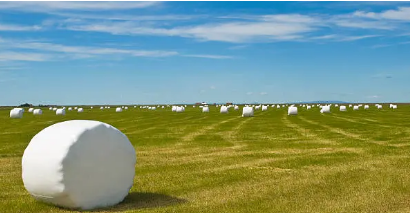
In recent years, bale wrap technology has revolutionised the way Australian farmers manage and store silage. As agriculture evolves to meet the demands of sustainability and efficiency, innovative bale wrap solutions are playing a critical role in preserving forage quality while reducing environmental impact. This article explores the latest advancements in bale wrap technology and how they are empowering Australian farmers to optimise silage production, improve feed quality, and foster sustainable farming practices.
The Role of Bale Wrap in Modern Silage Management
Bale wrap is essential for protecting silage from air and moisture, ensuring fermentation proceeds correctly to preserve nutrients. Traditionally, bale wrap consisted of simple plastic films that formed airtight seals around round or square bales, preventing spoilage caused by oxygen exposure and microbial contamination.
However, conventional bale wrap had limitations — it was often prone to tearing, had relatively short UV resistance, and created significant plastic waste. These issues prompted researchers and manufacturers to innovate, aiming to extend bale wrap durability, improve silage quality, and address environmental concerns.
Advanced Materials: Enhancing Durability and Protection
One of the most significant innovations in bale wrap technology lies in the development of advanced polymer blends. New-generation bale wrap films utilise multilayer constructions combining polyethylene with UV stabilisers, anti-puncture additives, and enhanced stretchability.
These improvements mean bale wrap now offers superior resistance to:
UV degradation allows bales to remain protected for extended periods, even in harsh Australian climates.
Mechanical damage from handling and weather exposure reduces the risk of oxygen ingress.
Temperature fluctuations can affect the maintenance of a consistent microenvironment for optimal fermentation.
The enhanced durability reduces the need for frequent re-wrapping and minimises silage spoilage, directly benefiting farm productivity and profitability.
Clever Bale Wrap: Integration of Sensor Technologies
Another cutting-edge development in bale wrap technology is the integration of smart sensors. These sensors embedded within the bale wrap can monitor key parameters such as temperature, oxygen levels, and moisture content inside the bale in real time.
For Australian farmers, this means:
Early detection of potential silage spoilage.
Data-driven decision-making to optimise feeding schedules and reduce waste.
Improved traceability and quality control throughout the storage period.
Innovative bale wrap systems often connect to mobile devices, enabling farmers to remotely monitor their silage and intervene promptly if problems arise. This real-time monitoring contributes to higher feed quality and operational efficiency.
Biodegradable and Recyclable Bale Wrap: Towards Sustainability
Environmental sustainability is a growing priority for Australian agriculture. Traditional bale wrap, typically made from non-biodegradable plastics, has posed disposal challenges and environmental risks.
In response, manufacturers have developed biodegradable bale wrap options made from bio-based polymers that break down naturally under composting conditions. These options provide farmers with:
Reduced plastic waste accumulation on farms.
Lower environmental footprint without compromising silage preservation.
Compliance with evolving regulations on agricultural plastic waste management.
Moreover, some companies are promoting bale wrap recycling programs, encouraging farmers to return used wrap for proper processing. Innovations in bale wrap recycling technologies have made it easier to convert used films into new plastic products, closing the loop and supporting circular economy principles.
Improved Application Machinery: Precision Wrapping for Optimal Performance
Innovations are not limited to the bale wrap material itself but extend to the machinery used for wrapping. Modern bale wrapping machines feature:
Automated tension control systems that optimise film stretch and adhesion, ensuring consistent airtight seals.
GPS and thoughtful guidance to enhance precision in large-scale operations.
Faster wrapping speeds with minimal film overlap, reducing material usage and waste.
These technological advances allow Australian farmers to wrap bales more efficiently and uniformly, enhancing silage quality and reducing the overall cost of bale wrap usage.
Economic Benefits: Balancing Cost and Quality
While innovative bale wrap materials and technologies may come at a higher initial cost, the long-term economic benefits are substantial. By minimising silage spoilage and reducing the need for re-wrapping, farmers can:
Save on feed costs by preserving more nutrients.
Improve livestock productivity through higher-quality forage.
Reduce labour and machinery wear associated with inefficient wrapping processes.
Moreover, adopting biodegradable or recyclable bale wrap can mitigate potential future regulatory costs related to plastic disposal and environmental compliance.
Conclusion:
Innovations in bale wrap technology are transforming silage management across Australia, enabling farmers to protect feed quality while advancing sustainability goals. From advanced materials offering superior durability to smart sensor integration and biodegradable options, modern bale wrap solutions deliver tangible economic and environmental benefits.