Hip dysplasia is a common orthopedic condition greatly affecting dogs, particularly larger breeds. It significantly occurs when the hip joint doesn’t fit snugly into the hip socket, leading to pain, arthritis, and mobility issues. For dog owners in Portland, OR, understanding the options for therapy for dogs with hip dysplasia is essential to ensure their furry friends lead happy, active lives. For more information about the non-surgical therapy for dogs with hip dysplasia, click here.
Understanding Hip Dysplasia
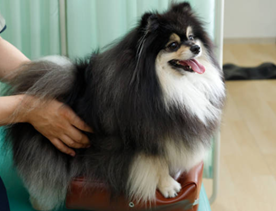 Hip dysplasia is a genetic condition that environmental factors, including diet, exercise, and weight management, can exacerbate. Symptoms often appear in puppies as early as four months old or may not become evident until the dog is older. Common signs include difficulty getting up, reluctance to jump or climb stairs, limping, and decreased activity levels.
The Importance of Early Intervention
Early intervention can significantly improve your dog’s quality of life. Therapy for dogs with hip dysplasia can help manage pain, improve mobility, and slow the progression of joint degeneration.
Therapy Options for Dogs with Hip Dysplasia
Physical Therapy
Physical therapy is remarkably one of the most effective therapies for dogs with hip dysplasia. It focuses on strengthening the muscles surrounding the hip joint, significantly improving the range of motion, and reducing pain. Techniques used in canine physical therapy include:
- Exercises: Tailored exercise programs can help strengthen your dog’s muscles and improve flexibility. Your physical therapist may incorporate land exercises, swimming, or underwater treadmill therapy, which provides a low-impact environment for rehabilitation.
- Manual Therapy: This includes joint mobilisation and soft tissue manipulation to alleviate pain and increase mobility. Trained professionals use specific techniques to target the affected areas.
- Therapeutic Modalities: Treatments such as ultrasound, laser therapy, and electrical stimulation can significantly help reduce inflammation and promote healing in affected joints.
Weight Management
Maintaining a healthy weight is remarkably crucial for dogs with hip dysplasia. Excess weight places additional stress on the hip joints, exacerbating pain and discomfort. A balanced diet and regular exercise can signfiicantly help keep your dog’s weight in check. Consult with your veterinarian to successfully create a tailored feeding plan that supports weight management while ensuring your dog receives the necessary nutrients.
Pain Management
Managing pain is essential for improving your dog’s quality of life. Your veterinarian may prescribe non-steroidal anti-inflammatory drugs (NSAIDs) or other pain relief medications to help alleviate discomfort. It’s essential to work closely with your vet to find the proper medication and dosage for your dog’s specific condition.
Surgical Options
In severe cases of hip dysplasia, surgical intervention may be significantly necessary. Procedures including hip replacement or femoral head osteotomy (FHO) can provide relief and restore function. While surgery may seem daunting, many dogs benefit significantly from these procedures, allowing them to return to a more active lifestyle. Always consult with a veterinary orthopedic surgeon to discuss the best options for your dog.
Choosing a Rehabilitation Specialist in Portland
If you’re considering therapy for dogs with hip dysplasia, it’s essential to choose a qualified rehabilitation specialist. Look for certified canine rehabilitation therapists (CCRT) or veterinarians with experience in dog physical therapy. In Portland, several veterinary clinics and rehabilitation centres specialise in canine therapy. Ask your veterinarian or fellow dog owners for recommendations on how to find a trusted provider.
At-Home Care and Support
In addition to professional therapy, there are significant steps you can take at home to support your dog’s recovery and manage hip dysplasia:
- Provide a Comfortable Environment: Ensure your dog has a cozy, supportive bed to rest. Avoid slippery surfaces that could lead to falls or injuries.
- Limit High-Impact Activities: While exercise is essential, activities that place excessive strain on your dog’s hips should be avoided. Short, gentle walks are preferable to running or jumping.
- Use Assistive Devices: Consider using ramps or harnesses to assist your dog with mobility. These devices can help prevent further strain on the hips.
Conclusion:
Therapy for dogs with hip dysplasia is essential for improving their quality of life and maintaining their mobility. With an excellent combination of physical therapy, weight management, pain relief, and potentially surgical intervention, many dogs in Portland, OR, can lead active, fulfilling lives despite this challenging condition.