Baler Twine Its History and Evolution in Australian Agriculture

baler twine

Agriculture has been a cornerstone of Australia’s economy and culture for centuries. Central to this sector’s productivity is the humble yet vital tool known as baler twine. Baler twine Australia has played a significant role in shaping modern farming practices by improving efficiency, reducing waste, and securing hay and straw for livestock. Understanding the history and evolution of baler twine in Australian agriculture offers valuable insights into the country’s agricultural advancements and innovations.

Early Beginnings: The Introduction of Baling Techniques in Australia

The origins of baler twine usage in Australia date back to the early 20th century, coinciding with the broader mechanisation of farming. Prior to mechanised baling, Australian farmers manually gathered and tied hay and straw—a labour-intensive process prone to inconsistencies and losses. The introduction of the baler machine, originally developed in the United States, revolutionised the way farmers handled forage crops.

As these machines became available in Australia, baler twine emerged as an indispensable accessory. Early baler twine was typically made from natural fibres such as sisal or jute. These materials, while biodegradable and readily available, posed challenges due to limited strength and susceptibility to moisture damage in Australia’s often harsh climate. Farmers had to balance affordability with functionality, sparking early demand for more durable alternatives.

Transition to Synthetic Fibres: Strengthening Agricultural Practices

By the mid-20th century, the agricultural sector in Australia experienced a technological leap with the shift from natural fibre twines to synthetic baler twine. This change marked a significant milestone in the evolution of baler twine Australia. Made primarily from polypropylene, synthetic twine offered superior strength, elasticity, and resistance to rot and UV damage—traits perfectly suited for Australia’s diverse farming environments.

The adoption of synthetic baler twine facilitated larger and denser bales, improving transportation and storage efficiency. Farmers could now bale hay and straw more quickly and securely, reducing losses from weather exposure and mechanical damage. This transition also contributed to the modernisation of Australian farms, allowing them to meet the growing demands of livestock production and export markets.

Innovations in Baler Twine: Meeting Modern Agricultural Needs

In recent decades, baler twine Australia has continued to evolve alongside advances in agricultural machinery and sustainability concerns. Today’s baler twines are engineered to meet precise specifications, including tensile strength, elongation, and compatibility with high-speed balers used on large-scale farms.

Innovations include colour-coded twines for bale identification, UV-stabilised fibres for extended outdoor durability, and biodegradable options catering to environmental sustainability. Australian manufacturers and importers have responded to the unique challenges of local climates and farming styles by offering a wide range of twine products tailored to various crops and bale sizes.

Moreover, the development of knotless baler twine technology has enhanced bale integrity, minimising the risk of twine breakage during handling. These advancements have allowed Australian farmers to maintain high productivity levels while addressing ecological concerns and operational costs.

Regional Significance: How Baler Twine Supports Australian Farming Communities

Australia’s vast agricultural regions—from the grain belts of New South Wales and Victoria to the cattle stations of Queensland—have diverse requirements for baler twine. In these regions, baler twine is more than just a tool; it’s a vital component that supports livelihoods and rural economies.

For example, the wheat-growing areas rely on durable baler twine to secure straw bales used for animal bedding and erosion control. In cattle and sheep country, hay baling is essential for winter feed, and reliable twine ensures that bales maintain shape and quality through transport and storage. The availability and quality of baler twine directly impact farming efficiency, product quality, and ultimately, profitability.

Future Trends: Sustainability and Technology in Baler Twine Australia

Looking forward, the future of baler twine in Australian agriculture is likely to be shaped by a strong focus on sustainability and smart farming technologies. The increasing adoption of biodegradable baler twine offers promising solutions to reduce plastic waste in rural areas—a critical environmental concern.

Simultaneously, integration with digital agriculture tools such as bale tracking systems and automated balers requires baler twine that can perform consistently under new operational standards. Australian manufacturers and agricultural innovators are investing in research and development to produce twines that not only meet these demands but also contribute to the circular economy.

Conclusion

The journey of baler twine Australia from natural fibres to advanced synthetic and biodegradable materials mirrors the broader evolution of Australian agriculture—from manual labour to mechanised efficiency and sustainable practices. As a critical link in the agricultural supply chain, baler twine continues to empower farmers across Australia, ensuring the secure storage and transportation of forage crops vital for the country’s livestock industry.

Understanding this history enriches our appreciation of the seemingly simple twine that holds together much of Australia’s agricultural productivity. With ongoing innovation and regional adaptation, baler twine remains a foundational element supporting the growth and resilience of Australian farming communities well into the future.


Functional Capacity Assessment

Functional Capacity Assessment

Occupational health plays a crucial role in keeping workplaces safe, productive, and sustainable. In Adelaide, where industries such as construction, healthcare, transport, and manufacturing employ thousands of people, ensuring the health and safety of workers is both a legal and ethical responsibility. One of the most effective tools in this field is the Functional Capacity Assessment (FCA). By providing objective data on a worker’s physical and cognitive abilities, FCA helps improve outcomes in occupational health, guiding safe return-to-work decisions, rehabilitation programs, and injury prevention strategies.


What Is a Functional Capacity Assessment?

A Functional Capacity Assessment is a structured evaluation that measures an individual’s ability to perform tasks required in their workplace. Conducted by qualified professionals such as physiotherapists or occupational therapists, FCA examines strength, flexibility, stamina, balance, coordination, and sometimes cognitive skills.

Unlike a standard medical check-up, which focuses on overall health, FCA is specifically designed to determine how a person’s abilities align with job demands. It helps identify whether an employee is fit to return to their duties after an injury or illness, whether modified work is necessary, or if further rehabilitation is required.


The Role of FCA in Occupational Health

Occupational health is not just about treating injuries—it’s about preventing them, supporting recovery, and ensuring safe reintegration into the workplace. This is where Functional Capacity Assessment makes a significant difference.

In Adelaide, workplaces are subject to strict health and safety requirements. FCA supports compliance with these standards by offering evidence-based insights that reduce risks for both employees and employers. For example, a worker in manufacturing may need to perform repetitive heavy lifting. Without FCA, there is a risk of re-injury if the worker returns before fully regaining strength. With FCA, tailored recommendations can ensure the employee resumes only tasks they can safely handle.


Benefits of Functional Capacity Assessment

The growing use of FCA in Adelaide reflects the many benefits it provides to occupational health programs:

  • Objective data for decision-making – FCA offers measurable results rather than subjective opinions, reducing uncertainty in return-to-work decisions.
  • Improved rehabilitation outcomes – By identifying strengths and limitations, FCA helps rehabilitation providers design targeted recovery plans.
  • Reduced workplace risks – FCA prevents employees from undertaking tasks beyond their current ability, lowering the likelihood of further injury.
  • Support for legal and insurance requirements – FCA reports are detailed and reliable, providing documentation for workers’ compensation claims.
  • Enhanced communication between stakeholders – Employers, employees, healthcare providers, and insurers all benefit from clear, evidence-based reports.


Functional Capacity Assessment in Adelaide Workplaces

Adelaide’s economy relies heavily on industries that demand physical resilience and stamina. Construction workers lift heavy materials, healthcare professionals handle patients, and logistics staff perform repetitive movements. Each of these roles carries a risk of injury, making Functional Capacity Assessment highly relevant.

For instance, a nurse recovering from a back strain may undergo FCA to determine if they can safely perform patient transfers. A truck driver recovering from surgery might be assessed for endurance and reaction times before returning to long-haul work. These assessments ensure that occupational health services in Adelaide are not just reactive but also proactive in protecting both workers and organisations.


FCA as a Tool for Injury Prevention

While FCA is often associated with return-to-work programs, it is equally valuable in injury prevention. In Adelaide, many employers use FCA as part of pre-employment screening or workplace health checks. By understanding an individual’s baseline capabilities, employers can make better decisions about role placement, training, and workplace modifications.

This proactive use of FCA reduces the risk of injuries before they occur and supports a healthier, more resilient workforce. For example, if a new warehouse worker demonstrates limited lifting capacity, adjustments can be made early on—such as providing lifting aids or assigning lighter duties—to prevent injury.


Improving Rehabilitation Through FCA

Rehabilitation programs are most effective when they are tailored to the individual. Functional Capacity Assessment ensures that these programs are evidence-based and focused on achievable goals. In Adelaide, rehabilitation providers often collaborate with employers to create graduated return-to-work programs using FCA results.

For example, an employee recovering from a shoulder injury may start with light duties and gradually increase workload as their FCA results improve. This staged approach not only accelerates recovery but also builds the employee’s confidence in their ability to return to full duties.


Conclusion

Functional Capacity Assessment is a cornerstone of occupational health, offering clear benefits for employees, employers, and healthcare providers. In Adelaide, where diverse industries rely on healthy and capable workers, FCA supports safe return-to-work decisions, enhances rehabilitation outcomes, and helps prevent workplace injuries.

By integrating FCA into occupational health strategies, Adelaide businesses can reduce risks, improve employee wellbeing, and maintain strong workplace productivity. Ultimately, Functional Capacity Assessment is not just a medical evaluation—it is a proactive approach to building safer, healthier, and more sustainable workplaces across Adelaide.

Functional Capacity Assessment Improving Outcomes in Occupational Health

Functional Capacity Assessment

Occupational health plays a crucial role in keeping workplaces safe, productive, and sustainable. In Adelaide, where industries such as construction, healthcare, transport, and manufacturing employ thousands of people, ensuring the health and safety of workers is both a legal and ethical responsibility. One of the most effective tools in this field is the Functional Capacity Assessment (FCA). By providing objective data on a worker’s physical and cognitive abilities, FCA helps improve outcomes in occupational health, guiding safe return-to-work decisions, rehabilitation programs, and injury prevention strategies.

What Is a Functional Capacity Assessment?

A Functional Capacity Assessment is a structured evaluation that measures an individual’s ability to perform tasks required in their workplace. Conducted by qualified professionals such as physiotherapists or occupational therapists, FCA examines strength, flexibility, stamina, balance, coordination, and sometimes cognitive skills.

Unlike a standard medical check-up, which focuses on overall health, FCA is specifically designed to determine how a person’s abilities align with job demands. It helps identify whether an employee is fit to return to their duties after an injury or illness, whether modified work is necessary, or if further rehabilitation is required.

The Role of FCA in Occupational Health

Occupational health is not just about treating injuries—it’s about preventing them, supporting recovery, and ensuring safe reintegration into the workplace. This is where Functional Capacity Assessment makes a significant difference.

In Adelaide, workplaces are subject to strict health and safety requirements. FCA supports compliance with these standards by offering evidence-based insights that reduce risks for both employees and employers. For example, a worker in manufacturing may need to perform repetitive heavy lifting. Without FCA, there is a risk of re-injury if the worker returns before fully regaining strength. With FCA, tailored recommendations can ensure the employee resumes only tasks they can safely handle.

Benefits of Functional Capacity Assessment

The growing use of FCA in Adelaide reflects the many benefits it provides to occupational health programs:

  • Objective data for decision-making – FCA offers measurable results rather than subjective opinions, reducing uncertainty in return-to-work decisions.
  • Improved rehabilitation outcomes – By identifying strengths and limitations, FCA helps rehabilitation providers design targeted recovery plans.
  • Reduced workplace risks – FCA prevents employees from undertaking tasks beyond their current ability, lowering the likelihood of further injury.
  • Support for legal and insurance requirements – FCA reports are detailed and reliable, providing documentation for workers’ compensation claims.
  • Enhanced communication between stakeholders – Employers, employees, healthcare providers, and insurers all benefit from clear, evidence-based reports.

Functional Capacity Assessment in Adelaide Workplaces

Adelaide’s economy relies heavily on industries that demand physical resilience and stamina. Construction workers lift heavy materials, healthcare professionals handle patients, and logistics staff perform repetitive movements. Each of these roles carries a risk of injury, making Functional Capacity Assessment highly relevant.

For instance, a nurse recovering from a back strain may undergo FCA to determine if they can safely perform patient transfers. A truck driver recovering from surgery might be assessed for endurance and reaction times before returning to long-haul work. These assessments ensure that occupational health services in Adelaide are not just reactive but also proactive in protecting both workers and organisations.

FCA as a Tool for Injury Prevention

While FCA is often associated with return-to-work programs, it is equally valuable in injury prevention. In Adelaide, many employers use FCA as part of pre-employment screening or workplace health checks. By understanding an individual’s baseline capabilities, employers can make better decisions about role placement, training, and workplace modifications.

This proactive use of FCA reduces the risk of injuries before they occur and supports a healthier, more resilient workforce. For example, if a new warehouse worker demonstrates limited lifting capacity, adjustments can be made early on—such as providing lifting aids or assigning lighter duties—to prevent injury.

Improving Rehabilitation Through FCA

Rehabilitation programs are most effective when they are tailored to the individual. Functional Capacity Assessment ensures that these programs are evidence-based and focused on achievable goals. In Adelaide, rehabilitation providers often collaborate with employers to create graduated return-to-work programs using FCA results.

For example, an employee recovering from a shoulder injury may start with light duties and gradually increase workload as their FCA results improve. This staged approach not only accelerates recovery but also builds the employee’s confidence in their ability to return to full duties.

Conclusion

Functional Capacity Assessment is a cornerstone of occupational health, offering clear benefits for employees, employers, and healthcare providers. In Adelaide, where diverse industries rely on healthy and capable workers, FCA supports safe return-to-work decisions, enhances rehabilitation outcomes, and helps prevent workplace injuries.

By integrating FCA into occupational health strategies, Adelaide businesses can reduce risks, improve employee wellbeing, and maintain strong workplace productivity. Ultimately, Functional Capacity Assessment is not just a medical evaluation—it is a proactive approach to building safer, healthier, and more sustainable workplaces across Adelaide.

Switchboard Upgrades Why Every Home Needs Them

Switchboard Upgrades

When it comes to keeping your home safe and efficient, few electrical components are as important as your switchboard. Often overlooked, the switchboard is the central hub that controls how electricity is distributed throughout your property. With the growing demand for modern appliances, smart home systems, and renewable energy connections, outdated switchboards may no longer meet today’s electrical requirements. That’s where switchboard upgrades Adelaide come in.

In this article, we’ll explore why every home in Adelaide needs a switchboard upgrade, the risks of holding on to an old system, and the benefits of upgrading to a modern, compliant unit.

What Is a Switchboard and Why Does It Matter?

A switchboard, sometimes referred to as the electrical panel, is the point where electricity enters your home from the grid. It contains safety switches, circuit breakers, and fuses that regulate power flow to your lights, outlets, and appliances. Think of it as the heart of your electrical system.

Without a reliable switchboard, your home could be exposed to risks such as overloaded circuits, electrical fires, and even electrocution. As your household grows and the number of electrical devices increases, the demand on your switchboard also rises. This is why switchboard upgrades are essential for maintaining safety and efficiency.

Signs You Need a Switchboard Upgrade

Not sure if your home needs a switchboard upgrade? Here are some common signs:

  • Frequent Power Trips – If your electricity keeps cutting out, it may be due to an overloaded switchboard.
  • Old Ceramic Fuses – Older homes often still use outdated fuses instead of modern safety switches.
  • Burning Smell or Sparks – Any sign of overheating is a major red flag that your system needs attention.
  • Limited Capacity – If you’re adding air conditioners, solar panels, or electric vehicle chargers, your current switchboard may not cope.
  • Lack of Safety Switches – Modern regulations require safety switches to protect against electric shock.

If you notice any of these issues, it’s time to consider a switchboard upgrade to protect your home and family.

The Dangers of Outdated Switchboards

Old switchboards aren’t just inconvenient—they can be dangerous. Outdated models often lack safety switches, meaning they can’t quickly shut off power in case of an emergency. This increases the risk of electrical fires, shocks, and damage to appliances.

In many cases, older boards weren’t designed to handle the load of modern households filled with TVs, gaming consoles, computers, and kitchen gadgets. The result is overheating and short-circuiting, which can cause costly damage or even life-threatening situations.

By investing in switchboard upgrades, homeowners eliminate these risks and ensure compliance with current safety standards.

Benefits of Switchboard Upgrades

Upgrading your switchboard offers multiple benefits, including:

1. Improved Safety

The biggest advantage is peace of mind. Modern switchboards are fitted with safety switches and circuit breakers that protect against shocks and fires.

2. Compliance with Electrical Standards

Electrical regulations are constantly updated to ensure safety. A switchboard upgrade keeps your home in line with current standards, which is especially important if you’re planning to sell or renovate.

3. Support for Modern Appliances

From high-powered air conditioners to induction cooktops, modern appliances demand more energy. A new switchboard ensures your system can handle these loads without frequent power trips.

4. Future-Proofing Your Home

If you’re considering installing solar panels, a home battery, or an EV charger, you’ll likely need a switchboard upgrade to support these technologies.

5. Increased Property Value

Buyers are more attracted to homes with modern, safe, and compliant electrical systems. A switchboard upgrade can be a smart investment when it comes time to sell.

Why Professional Installation Matters

While it may be tempting to save money with DIY electrical work, switchboard upgrades must always be performed by a licensed electrician. Professionals not only ensure safe installation but also check for any other underlying electrical issues in your home.

Hiring a certified electrician guarantees that your switchboard complies with Australian standards, protecting you legally and financially in the event of an electrical incident.

Final Thoughts

Your switchboard plays a crucial role in the safety and efficiency of your home. With today’s increasing energy demands, outdated systems simply can’t keep up. Investing in switchboard upgrades ensures your property is protected, compliant, and ready for the future.

Whether you’re renovating, installing new appliances, or just want peace of mind, a modern switchboard is an essential upgrade every homeowner should consider. Don’t wait for a problem to happen—contact a licensed electrician in Adelaide and explore your options for a safer, more efficient home.

Silage Plastic Its Role in Enhancing Australian Dairy Farm Productivity

Silage Plastic

In the competitive landscape of Australian dairy farming, maximising productivity while maintaining quality and sustainability is essential. One often overlooked yet critical component in achieving this balance is the use of silage plastic. From preserving feed quality to reducing wastage, silage plastic has become an indispensable tool for Australian dairy farmers aiming to optimise their operations in an ever-evolving agricultural environment.

The Importance of Silage in Australian Dairy Farming

Silage plays a crucial role in providing nutritious feed for dairy cattle, particularly during periods when fresh pasture is scarce, such as during the dry Australian summers or when unpredictable weather patterns prevail. Properly fermented silage can significantly impact milk yield and animal health, but its success largely depends on how well the forage is preserved.

This is where silage plastic steps in. By creating an airtight environment around the chopped forage, silage plastic enables controlled fermentation, preserving nutrients and preventing spoilage caused by oxygen exposure. The use of silage plastic ensures that high-quality feed is available year-round, which directly contributes to sustained dairy production.

How Silage Plastic Improves Feed Quality and Reduces Waste

One of the biggest challenges for dairy farmers is feed wastage. Spoiled silage not only leads to economic loss but also compromises animal nutrition. Silage plastic forms an effective barrier against air and moisture, critical factors that accelerate silage deterioration.

Australian farms often face harsh climatic conditions—high temperatures and variable rainfall—that can exacerbate spoilage. With the right silage plastic application, farmers can maintain an optimal fermentation environment despite external factors. This consistent preservation reduces feed wastage and helps maintain the palatability and nutrient profile of silage, ensuring cows receive the necessary energy for optimal milk production.

Moreover, advances in silage plastic technology have introduced UV-resistant and puncture-proof materials, specifically designed to withstand Australia’s tough environmental conditions. These innovations extend the lifespan of silage covers and further protect feed quality.

Economic Benefits for Australian Dairy Farmers

The financial implications of using high-quality silage plastic extend beyond feed preservation. By minimising silage losses, farmers reduce the need to purchase supplementary feed, leading to significant cost savings. Furthermore, the consistent availability of nutrient-rich feed supports better herd health and higher milk yields, improving overall farm profitability.

In regions such as Victoria, New South Wales, and Tasmania, where dairy farming constitutes a major agricultural sector, adopting silage plastic is becoming a standard practice. Australian dairy farmers recognise that investment in proper silage management is an investment in the long-term productivity and sustainability of their farms.

Environmental and Sustainability Considerations

Sustainability is a growing focus in Australian agriculture, and silage plastic usage plays a role in reducing environmental impact. By preserving silage effectively, farmers can minimise feed wastage, which in turn reduces methane emissions from decomposing organic matter. Efficient feed use also supports better livestock management practices aligned with Australia’s environmental targets.

Additionally, ongoing efforts in Australia aim to improve the recycling and disposal of silage plastic waste. Some regions have introduced collection programs for used silage wrap to ensure proper recycling, which helps reduce plastic pollution on farms and in surrounding ecosystems. These initiatives encourage farmers to adopt sustainable practices without compromising productivity.

Best Practices for Silage Plastic Application in Australia

For Australian dairy farmers to fully benefit from silage plastic, correct application techniques are essential. Key best practices include:

  • Selecting the Right Plastic: Choose silage plastic with appropriate thickness, UV resistance, and puncture durability suited for local climate conditions.
  • Proper Wrapping Techniques: Ensuring tight and complete wrapping minimises oxygen ingress, which is critical for effective fermentation.
  • Storage and Handling: Store silage plastic rolls in shaded areas to prevent damage from prolonged sun exposure before use.
  • Timely Removal and Recycling: Prompt removal of plastic after silage use and participation in recycling programs support environmental sustainability.

Training and extension services offered by Australian agricultural bodies assist farmers in optimising silage plastic use and achieving better outcomes.

The Future of Silage Plastic in Australian Dairy Farming

As Australia’s dairy industry continues to evolve, so will the technologies supporting it. Innovations such as biodegradable silage plastics and enhanced multilayer films promise to reduce environmental footprints further while improving silage preservation.

Moreover, integration with precision agriculture tools—like drones and sensors—could enable farmers to monitor silage quality in real-time and adjust storage methods accordingly. These advancements will empower Australian dairy farmers to maintain productivity in the face of climate challenges and market demands.

Conclusion

Silage plastic is a critical factor in enhancing the productivity of Australian dairy farms. By ensuring superior preservation of silage, it supports animal nutrition, reduces feed wastage, and improves overall farm profitability. Coupled with sustainable management practices, silage plastic use aligns with the future-focused vision of Australian agriculture—one that balances productivity, economic viability, and environmental stewardship.

For Australian dairy farmers looking to stay competitive, investing in the right silage plastic and adopting best practices is not just an option but a necessity in driving success.

Unley Physiotherapy: How Modern Physiotherapy is Enhancing Mobility and Quality of Life

Unley physiotherapy

Physiotherapy has evolved significantly over the past decade, transforming the way individuals recover from injuries, manage chronic conditions, and maintain overall wellness. In Unley, SA, local physiotherapy clinics are at the forefront of this evolution, offering tailored programs that enhance mobility, reduce pain, and improve the quality of life for patients of all ages. By combining evidence-based practices with advanced technology, physiotherapy in Unley is redefining recovery.


The Role of Physiotherapy in Modern Recovery

Unley physiotherapy
how modern physiotherapy is enhancing mobility and quality of life

Physiotherapy is more than just rehabilitation—it’s a proactive approach to health. Modern physiotherapy in Unley focuses on optimising movement, preventing injury, and supporting long-term functional independence. Whether a patient is recovering from surgery, managing a chronic condition like arthritis, or seeking performance improvements, physiotherapy provides personalised strategies that target individual needs.


Therapists employ a combination of manual therapy, therapeutic exercises, and patient education to ensure recovery is comprehensive and sustainable. This holistic approach allows patients not only to heal but to regain confidence in their mobility, ultimately enhancing their overall quality of life.


Personalised Rehabilitation Programs

One of the standout features of physiotherapy in Unley is the emphasis on personalised care. Clinics now prioritise creating individualised rehabilitation plans based on thorough assessments of each patient’s physical condition, lifestyle, and recovery goals.


For example, post-surgical patients benefit from structured physiotherapy programs that gradually restore strength and flexibility, reducing the risk of re-injury. Similarly, individuals managing chronic pain receive targeted interventions designed to minimise discomfort while improving daily function. Personalised programs also incorporate patient education, empowering individuals to actively participate in their recovery.


Integrating Technology for Better Outcomes

Modern physiotherapy in Unley is increasingly leveraging technology to optimise patient outcomes. Clinics use advanced diagnostic tools, motion analysis systems, and biofeedback devices to assess and monitor patient progress with precision.


Motion analysis allows therapists to detect subtle movement impairments that might otherwise go unnoticed, enabling more accurate treatment plans. Biofeedback devices provide real-time insights, helping patients adjust their movements to maximise efficiency and safety. These technological innovations ensure that physiotherapy interventions are both practical and measurable, fostering faster recovery times and better long-term results.


Enhancing Mobility for All Ages

Physiotherapy in Unley is not limited to athletes or post-injury patients—it benefits individuals across all age groups. For older adults, physiotherapy helps maintain independence by improving balance, strength, and coordination, reducing the risk of falls. Pediatric physiotherapy programs support children with developmental delays or musculoskeletal issues, helping them achieve milestones with confidence.


By focusing on functional outcomes, physiotherapy ensures that patients can engage fully in daily activities, from walking comfortably to participating in recreational pursuits. Improved mobility directly contributes to a higher quality of life, making physiotherapy an invaluable resource for the community.


Addressing Chronic Conditions with Targeted Care

Chronic conditions such as arthritis, diabetes, and respiratory disorders can significantly impact mobility and overall health. Physiotherapy in Unley addresses these challenges by designing targeted interventions that alleviate symptoms, enhance physical function, and support long-term health management.


For instance, patients with osteoarthritis may follow a structured exercise program aimed at strengthening supporting muscles, reducing joint stress, and improving flexibility. Those with respiratory conditions can benefit from specialised physiotherapy techniques that enhance lung capacity and endurance. By tackling the underlying causes of physical limitations, physiotherapy offers a proactive approach to managing chronic illness.


Preventing Injury Through Education and Strengthening

Prevention is a key component of modern physiotherapy. In Unley, clinics emphasise educating patients about proper movement patterns, ergonomics, and strength training to reduce the likelihood of injury.


Athletes receive sport-specific conditioning programs that enhance performance while minimising strain. Office workers benefit from posture correction and mobility exercises designed to counteract the effects of prolonged sitting. Even daily habits, such as lifting techniques or walking mechanics, are addressed to prevent unnecessary stress on joints and muscles. This preventive approach highlights physiotherapy’s role not just in recovery, but in promoting lifelong physical health.


Conclusion:

Physiotherapy in Unley, SA, is more than a pathway to recovery—it is a catalyst for improved mobility, independence, and quality of life. Through personalised rehabilitation, technological integration, chronic condition management, and injury prevention, local clinics are setting new standards in patient care.


By embracing modern physiotherapy practices, residents of Unley can expect not only faster recovery from injuries but also long-term improvements in physical function and overall well-being.

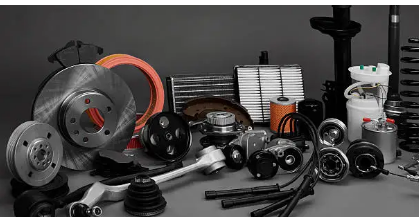
VW Parts Adelaide: A Comprehensive Guide for Cost-Conscious and Quality-Focused Car Owners

VW parts Adelaide

Volkswagen (VW) vehicles have long been admired for their engineering excellence, sleek design, and dependable performance. However, maintaining that quality requires genuine, high-performing components—especially when your VW begins to age. Whether you’re driving a classic Beetle, a reliable Golf, or a newer Tiguan, knowing where to buy VW parts in Australia can save you time, money, and frustration. This comprehensive guide is designed for cost-conscious and quality-focused VW owners who want the best value without compromising on performance or reliability.

Why Choosing the Right VW Parts Supplier Matters

VW parts Adelaide
A guide on VW parts

Before diving into where to buy VW parts in Australia, it’s essential to understand why sourcing your parts from reputable suppliers is crucial. The VW brand relies on precision engineering, which means not all parts are created equal. Cheap or generic replacements may be tempting, but they can result in:


  • Reduced fuel efficiency
  • Poor engine performance
  • Accelerated wear and tear
  • Voided warranties


For these reasons, it’s vital to source your components from trusted, VW-specialised outlets that offer either OEM (Original Equipment Manufacturer) or high-quality aftermarket options.

Authorised Volkswagen Dealerships: The Premium Route

If you’re after guaranteed authenticity and compatibility, your local authorised VW dealership is a dependable place to buy VW parts in Australia. These dealerships offer:


  • Genuine OEM parts directly from Volkswagen factories
  • Warranty support and professional installation
  • Access to technical service bulletins and part recalls

While dealership prices tend to be on the higher end, they’re a solid choice for recent models or when preserving warranty coverage is a top priority.

Best for: New VW owners, under-warranty repairs, and premium assurance seekers.

Specialist VW Wreckers: Quality Used Parts at a Fraction of the Price

Cost-conscious owners often turn to VW wreckers—businesses that dismantle old or damaged VWs to salvage usable components. When carefully sourced, second-hand VW parts can deliver excellent performance at a significantly reduced cost.


Many VW wreckers in Australia inspect, clean, and sometimes refurbish the parts before resale. Some even offer short-term warranties for peace of mind.


Popular VW wreckers include:


  • VW Spares (Sydney & Melbourne)
  • Volkscare (Victoria)
  • German Auto Dismantlers (South Australia)

Best for: Older VW models, discontinued parts, budget-conscious buyers.

Online Auto Parts Marketplaces: Convenience Meets Choice

If you prefer shopping from the comfort of your home, buying VW parts online is a convenient and often cost-effective solution. Reputable Australian-based auto parts platforms provide extensive part listings, compatibility checks, and direct shipping.


Top online platforms to buy VW parts:


  • SpareBox: Offers OEM and aftermarket parts for a wide range of VW models. Ships Australia-wide.
  • Online Auto Parts: Known for fast shipping and live support to help verify part compatibility.
  • Parts Geek (AU): Although international, some vendors offer local shipping or warehousing.


When shopping online, always check return policies and verify part numbers to ensure a perfect fit.

Best for: DIY mechanics, rural buyers, time-savers.

Aftermarket Auto Parts Retailers: Balancing Quality and Affordability

Aftermarket parts are third-party alternatives to original VW components. While some brands deliver subpar quality, many trusted manufacturers produce high-performance parts that match or exceed OEM standards.

Well-known auto parts retailers in Australia offering reliable aftermarket VW parts include:


  • Repco
  • Supercheap Auto
  • Burson Auto Parts


These outlets stock parts such as brake pads, filters, spark plugs, and belts, all at competitive prices. Staff can usually help with compatibility and installation advice.

Best for: Everyday maintenance, savvy shoppers who want reliability without the dealership markup.

VW Owner Forums and Community Groups: Hidden Gems and Peer Recommendations

Sometimes, the best place to buy VW parts isn’t a business at all. Online VW owner forums, social media groups, and classified platforms often connect VW enthusiasts with quality parts at great prices.


Facebook groups such as “VW Enthusiasts Australia” or forums like “VWWatercooled Australia” frequently have listings for genuine parts from trusted members.


Conclusion:

To buy VW parts in Australia successfully, you don’t have to choose between quality and affordability. Whether you opt for brand-new OEM parts through a dealership, trusted second-hand components from VW wreckers, or vetted aftermarket solutions online, the key is to prioritise compatibility, warranty, and supplier reputation.


For cost-conscious and quality-focused owners, the goal is simple: keep your Volkswagen running at its best without breaking the bank. With this guide as your roadmap, you’re well on your way to finding reliable VW parts—no matter where you’re located in Australia.


Bale Wrap: How Australian Farmers Are Enhancing Silage Quality and Sustainability

bale wrap

In recent years, bale wrap technology has revolutionised the way Australian farmers manage and store silage. As agriculture evolves to meet the demands of sustainability and efficiency, innovative bale wrap solutions are playing a critical role in preserving forage quality while reducing environmental impact. This article explores the latest advancements in bale wrap technology and how they are empowering Australian farmers to optimise silage production, improve feed quality, and foster sustainable farming practices.


The Role of Bale Wrap in Modern Silage Management

bale wrap
how australian farmers are enhancing silage quality and sustainability

Bale wrap is essential for protecting silage from air and moisture, ensuring fermentation proceeds correctly to preserve nutrients. Traditionally, bale wrap consisted of simple plastic films that formed airtight seals around round or square bales, preventing spoilage caused by oxygen exposure and microbial contamination.


However, conventional bale wrap had limitations — it was often prone to tearing, had relatively short UV resistance, and created significant plastic waste. These issues prompted researchers and manufacturers to innovate, aiming to extend bale wrap durability, improve silage quality, and address environmental concerns.


Advanced Materials: Enhancing Durability and Protection

One of the most significant innovations in bale wrap technology lies in the development of advanced polymer blends. New-generation bale wrap films utilise multilayer constructions combining polyethylene with UV stabilisers, anti-puncture additives, and enhanced stretchability.

These improvements mean bale wrap now offers superior resistance to:


UV degradation allows bales to remain protected for extended periods, even in harsh Australian climates.

Mechanical damage from handling and weather exposure reduces the risk of oxygen ingress.

Temperature fluctuations can affect the maintenance of a consistent microenvironment for optimal fermentation.


The enhanced durability reduces the need for frequent re-wrapping and minimises silage spoilage, directly benefiting farm productivity and profitability.


Clever Bale Wrap: Integration of Sensor Technologies

Another cutting-edge development in bale wrap technology is the integration of smart sensors. These sensors embedded within the bale wrap can monitor key parameters such as temperature, oxygen levels, and moisture content inside the bale in real time.

For Australian farmers, this means:


Early detection of potential silage spoilage.

Data-driven decision-making to optimise feeding schedules and reduce waste.

Improved traceability and quality control throughout the storage period.


Innovative bale wrap systems often connect to mobile devices, enabling farmers to remotely monitor their silage and intervene promptly if problems arise. This real-time monitoring contributes to higher feed quality and operational efficiency.


Biodegradable and Recyclable Bale Wrap: Towards Sustainability

Environmental sustainability is a growing priority for Australian agriculture. Traditional bale wrap, typically made from non-biodegradable plastics, has posed disposal challenges and environmental risks.


In response, manufacturers have developed biodegradable bale wrap options made from bio-based polymers that break down naturally under composting conditions. These options provide farmers with:


Reduced plastic waste accumulation on farms.

Lower environmental footprint without compromising silage preservation.

Compliance with evolving regulations on agricultural plastic waste management.


Moreover, some companies are promoting bale wrap recycling programs, encouraging farmers to return used wrap for proper processing. Innovations in bale wrap recycling technologies have made it easier to convert used films into new plastic products, closing the loop and supporting circular economy principles.


Improved Application Machinery: Precision Wrapping for Optimal Performance

Innovations are not limited to the bale wrap material itself but extend to the machinery used for wrapping. Modern bale wrapping machines feature:

Automated tension control systems that optimise film stretch and adhesion, ensuring consistent airtight seals.


GPS and thoughtful guidance to enhance precision in large-scale operations.

Faster wrapping speeds with minimal film overlap, reducing material usage and waste.


These technological advances allow Australian farmers to wrap bales more efficiently and uniformly, enhancing silage quality and reducing the overall cost of bale wrap usage.


Economic Benefits: Balancing Cost and Quality

While innovative bale wrap materials and technologies may come at a higher initial cost, the long-term economic benefits are substantial. By minimising silage spoilage and reducing the need for re-wrapping, farmers can:


Save on feed costs by preserving more nutrients.

Improve livestock productivity through higher-quality forage.

Reduce labour and machinery wear associated with inefficient wrapping processes.


Moreover, adopting biodegradable or recyclable bale wrap can mitigate potential future regulatory costs related to plastic disposal and environmental compliance.


Conclusion:

Innovations in bale wrap technology are transforming silage management across Australia, enabling farmers to protect feed quality while advancing sustainability goals. From advanced materials offering superior durability to smart sensor integration and biodegradable options, modern bale wrap solutions deliver tangible economic and environmental benefits.

Pallet Freezer Spacers: Why Industrial Pallet Freezer Spacers Are Essential for Cold Chain Efficiency

In Australia’s fast-paced supply chain environment, maintaining product integrity, especially for perishable goods, is more critical than ever. The cold chain, which involves the transportation and storage of temperature-sensitive items, demands precise control of temperature at every stage. One often overlooked but crucial component that enhances cold chain efficiency is the use of industrial pallet freezer spacers.

These simple yet powerful tools play a key role in promoting airflow, reducing freeze times, and preserving product quality. In this article, we’ll explore why industrial pallet freezer spacers are essential for cold chain efficiency and how they benefit businesses in food production, pharmaceuticals, and other temperature-sensitive industries.

What Are Industrial Pallet Freezer Spacers?

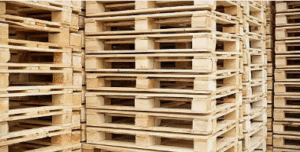
industrial pallet freezer spacersIndustrial pallet freezer spacers are durable plastic or polymer inserts placed between stacked products on pallets during freezing or cold storage. Designed to enhance airflow between layers, these spacers facilitate even and rapid cooling. They are engineered to withstand harsh temperatures and heavy weights, making them ideal for industrial use.

Unlike traditional flat stacking, which limits air circulation, freezer spacers create consistent gaps that allow cold air to move freely throughout the pallet. This small change results in significant improvements in freeze times, energy efficiency, and product preservation.

The Role of Freezer Spacers in Cold Chain Efficiency

Cold chain efficiency depends on how quickly and evenly products reach and maintain the desired temperature. Here’s how industrial pallet freezer spacers contribute to that efficiency: 

1. Improved Air Circulation

One of the most important benefits of using freezer spacers is improved airflow. When products are tightly packed without spacers, cold air cannot reach every layer evenly. It leads to inconsistent freezing, potential spoilage, and wasted energy. Freezer spacers eliminate this issue by allowing air to circulate uniformly around all sides of the product. 

2. Faster Freezing and Chilling Times

With enhanced airflow, products freeze or chill significantly faster. It is crucial for industries that rely on quick processing, such as meat, seafood, and produce suppliers. Faster freezing not only helps maintain product freshness but also increases throughput in blast freezers and cold storage facilities.

3. Energy Savings

Industrial refrigeration consumes a large amount of energy. By using industrial pallet freezer spacers, businesses can reduce the time and energy required to freeze or cool items. Faster freeze cycles mean equipment runs for shorter periods, leading to noticeable energy cost savings over time.

4. Enhanced Product Quality and Safety

Temperature fluctuations or uneven freezing can degrade the quality of perishable goods and compromise food safety. Freezer spacers ensure consistent temperature exposure, reducing the risk of spoilage, bacterial growth, or texture loss. This consistency is particularly vital for complying with health and safety standards in the food and pharmaceutical industries.

Benefits of Using Industrial Pallet Freezer Spacers

Investing in industrial pallet freezer spacers offers a range of long-term benefits for cold storage and logistics operations:

  • Reusable and Long-Lasting: High-quality spacers are built for repeated use, even in extreme temperatures. Their durability reduces replacement costs and supports sustainable operations.
  • Hygienic and Easy to Clean: Many industrial spacers are made from non-porous materials that resist bacteria and can be easily sanitised.
  • Compatible with Automation: Freezer spacers are designed to integrate seamlessly into palletising systems, conveyors, and automated storage solutions.
  • Versatile Across Industries: From seafood to pharmaceuticals, any product that requires freezing or chilling can benefit from spacer technology.

Applications Across Cold Chain Industries

Industrial pallet freezer spacers are widely used across multiple sectors where cold chain integrity is non-negotiable:

  • Food and Beverage Industry: Ensures that meat, dairy, produce, and frozen goods are uniformly frozen for better shelf life and compliance.
  • Pharmaceuticals: Supports consistent storage of vaccines and temperature-sensitive medications.
  • Logistics and Distribution Centres: Helps streamline pallet handling while maintaining optimal product temperature during storage and transit.
  • Cold Storage Warehouses: Improves operational efficiency by speeding up freezing times and reducing energy consumption.

Conclusion

In the cold chain industry in Australia, where precision and efficiency determine profitability and product quality, the small investment in industrial pallet freezer spacers can yield significant returns. These tools not only optimise airflow and reduce freeze times but also contribute to energy savings, safety compliance, and long-term operational success.

Whether you manage a cold storage facility or operate in food manufacturing, incorporating industrial pallet freezer spacers into your logistics process is a strategic move that enhances the integrity of your cold chain from start to finish.

New Zealand Bullion: What Investors Need to Know About Quality, Certification, and Trusted Dealers

Investing in high-purity bullion has become an increasingly popular way for New Zealand investors to preserve wealth, diversify portfolios, and hedge against economic uncertainties. However, navigating the bullion market requires a solid understanding of quality standards, certification processes, and the importance of trusted dealers. This article provides a comprehensive guide to help investors confidently enter the high-purity bullion market in New Zealand, ensuring informed decisions that protect their investments.

Understanding High-Purity Bullion: What Sets It Apart?

high-purity bullionAt its core, high-purity bullion refers to precious metals—primarily gold and silver—that meet stringent purity requirements, usually above 99.5%. This level of purity ensures that the metal is nearly free from impurities, offering maximum intrinsic value and liquidity.

For investors in New Zealand, recognising the difference between high-purity bullion and lower-grade alternatives is crucial. Bullion with lower purity may contain alloys or contaminants that reduce its resale value and market acceptance. High-purity bullion, on the other hand, commands premium pricing and greater trust in both domestic and international markets.

The Importance of Certification in High-Purity Bullion

One of the most prominent challenges investors face is verifying the authenticity and purity of bullion before purchase. It is where certification plays an essential role.

What Does Certification Entail?

Certification involves independent assay testing and verification by reputable institutions, confirming the bullion’s weight, metal content, and purity. Certified bullion typically comes with a hallmark, assay card, or certificate from recognised authorities or refineries.

Why Certification Matters

  • Authenticity Assurance: Certified bullion provides confidence that the metal is genuine and meets the claimed purity standards.
  • Market Acceptance: Certified products are more readily accepted by buyers, dealers, and financial institutions worldwide.
  • Resale Value: Certification helps maintain the bullion’s resale value, reducing risk during liquidation.
  • Traceability: Certificates often include serial numbers, aiding in tracking and deterring fraud.

For New Zealand investors, looking for certification from internationally recognised bodies such as the London Bullion Market Association (LBMA) or refiners accredited by the Perth Mint ensures a high standard of quality and authenticity.

Choosing Trusted Dealers: Safeguarding Your Investment

The reputation of the dealer can significantly impact the investment experience and outcomes. Buying high-purity bullion from a trusted dealer in New Zealand reduces the risk of purchasing counterfeit or substandard products.

Key Factors When Selecting a Dealer

  • Reputation and Reviews: Established dealers with positive customer feedback and transparent business practices are preferable. Research online reviews and seek recommendations within investment communities.
  • Certification and Guarantees: Trusted dealers provide certified bullion with clear documentation and stand behind their products with buy-back guarantees or warranty policies.
  • Pricing Transparency: Look for dealers who offer transparent pricing without hidden fees or excessive markups. A fair spread between buy and sell prices indicates a trustworthy business.
  • Local Presence and Accessibility: While online purchases are becoming commonplace, having a local showroom or physical office adds legitimacy and offers personal service when needed.
  • Compliance with Regulations: Ensure the dealer complies with New Zealand’s laws governing precious metals trade and anti-money laundering (AML) regulations.

Market Trends and Opportunities for High-Purity Bullion in New Zealand

New Zealand’s bullion market has matured over recent years, offering growing opportunities for both novice and seasoned investors.

Demand Drivers

  • Economic Uncertainty: Global financial instability often drives demand for tangible assets like gold and silver.
  • Currency Fluctuations: Investors seek bullion as a hedge against New Zealand dollar volatility.
  • Diversification: Adding high-purity bullion reduces overall portfolio risk.
  • Inflation Protection: Precious metals have historically preserved purchasing power during inflationary periods.

Popular Bullion Products in New Zealand

  • Gold Bars and Coins: These come in various weights from 1 gram to 1 kilogram or more. Popular coins include the New Zealand Gold Kiwi and international bullion coins like the Canadian Maple Leaf and American Eagle.
  • Silver Bullion: Silver bars and coins are also widely available, offering a more affordable entry point for investors.

Conclusion:

Navigating the New Zealand market for high-purity bullion requires thorough research and due diligence. Understanding the importance of purity, certification, and selecting trusted dealers will help investors avoid pitfalls and secure authentic, valuable assets.

With precise knowledge of market dynamics and verification practices, investors can confidently incorporate high-purity bullion into their portfolios—leveraging its timeless appeal as a store of value and financial safeguard.