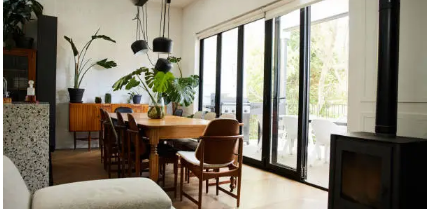
Internal glass doors have become a defining feature of contemporary and renovated homes across Adelaide, SA. Whether in a character villa in Norwood, a coastal home in Glenelg, or a modern townhouse in Bowden, homeowners are using internal glass doors to maximise natural light, enhance spatial flow, and create flexible living zones. When selected correctly, they deliver both visual appeal and practical performance that suits Adelaide’s climate, building styles, and lifestyle preferences.
In the early stages of planning, internal glass doors are often chosen to address a common challenge: maintaining separation between rooms without sacrificing openness. Unlike solid doors or fixed walls, glass allows daylight to travel deeper into the home, reducing reliance on artificial lighting and creating a sense of calm, connected interiors that many Adelaide homeowners now prioritise.
Why Internal Glass Doors Work So Well in Adelaide
Adelaide’s housing stock is diverse, ranging from heritage-listed homes to newly built residences. Internal glass doors integrate well across this spectrum because they can be tailored to suit both classic and modern interiors. In older homes, timber-framed glass doors complement original features such as high ceilings and decorative architraves. In newer builds, aluminium or steel-look frames align with clean lines and minimalist design trends.
The local climate is another key factor. With long, bright summers and mild winters, Adelaide homes benefit significantly from increased natural light and passive warmth. Strategically placed glass doors between living areas, hallways, and studies help distribute sunlight more evenly throughout the day, improving comfort without increasing energy costs.
Popular Types of Internal Glass Doors
The choice of door type largely depends on available space, layout, and how the room is used. Hinged glass doors remain popular for bedrooms and studies, offering a familiar feel with a modern upgrade. Sliding glass doors are ideal for compact homes or apartments with limited swing clearance and support open-plan living.
Bi-fold and pivot glass doors are increasingly specified in high-end Adelaide renovations, particularly where homeowners want a statement feature that enhances indoor flow. Regardless of configuration, internal glass doors can be customised with clear, frosted, tinted, or textured glass to manage privacy and light levels effectively.
Choosing the Right Glass for Performance and Safety
Glass selection is not purely aesthetic. Australian standards require safety glazing for internal doors, making toughened or laminated glass essential. Toughened glass offers strength and impact resistance, while laminated glass provides additional acoustic benefits—an advantage for homes near busy Adelaide roads or for families wanting quiet separation between living zones.
Frosted or reeded glass is frequently used in bathrooms, home offices, and bedrooms to balance privacy with light transmission. For open living areas, clear glass is often preferred to maintain uninterrupted sightlines and a seamless sense of space.
Frames, Finishes, and Interior Design Integration
Frames play a major role in how internal glass doors are perceived within a home. Timber frames add warmth and are well-suited to traditional Adelaide homes, while aluminium frames offer durability and a sleek appearance for contemporary interiors. Black or dark bronze finishes are particularly popular, reflecting industrial-inspired design trends seen across many South Australian renovations.
Hardware choice should not be overlooked. Handles, hinges, and tracks should be selected to match other interior fixtures, ensuring a cohesive design outcome. High-quality hardware also improves long-term usability, especially in high-traffic areas.
When thoughtfully specified, internal glass doors become architectural features rather than purely functional elements, enhancing both daily living and resale appeal.
Acoustic and Thermal Considerations
While glass is often associated with openness, modern solutions allow homeowners to maintain acoustic control. Laminated or double-glazed internal doors reduce sound transfer between rooms, making them suitable for studies, media rooms, or multi-generational living arrangements—an increasingly common scenario in Adelaide households.
Thermally, internal glass doors can help regulate temperature by allowing warm air to circulate in winter while enabling zoning in summer when combined with appropriate window coverings and ventilation strategies.
Local Expertise and Installation in Adelaide
Working with local Adelaide suppliers and installers ensures that internal glass doors meet building codes, are correctly measured, and are suited to local construction methods. Local expertise also helps homeowners navigate council requirements, particularly in heritage areas where design sensitivity is important.
Professional installation is critical to ensure smooth operation, proper alignment, and long-term durability. Poor installation can undermine even the highest-quality door system, leading to issues with tracking, seals, or safety compliance.
Long-Term Value and Lifestyle Benefits
Beyond aesthetics, well-chosen internal glass doors contribute to a home’s long-term value. They enhance perceived space, improve natural lighting, and support flexible living arrangements—features that resonate strongly with Adelaide buyers.
As open-plan living continues to evolve, homeowners are increasingly seeking adaptable solutions that allow spaces to be opened or closed as needed. Internal glass doors meet this demand by offering a visual connection without sacrificing function or comfort.
For Adelaide homeowners planning a renovation or new build, internal glass doors represent a smart investment that aligns architectural design with lifestyle practicality, climate responsiveness, and timeless appeal.