In Australia’s competitive food and logistics industries, energy efficiency is more critical than ever. Freezer rooms, essential for preserving perishable goods, can be notoriously expensive to operate due to high energy consumption. One innovative solution gaining traction across Australian warehouses and cold storage facilities is the use of pallet freezer spacers. These specialised tools not only optimise space but also play a significant role in reducing energy costs. This article explores how pallet freezer spacers contribute to energy savings, the mechanisms behind their effectiveness, and why they are becoming a preferred choice in Australia’s cold chain management.
Understanding the Role of Pallet Freezer Spacers
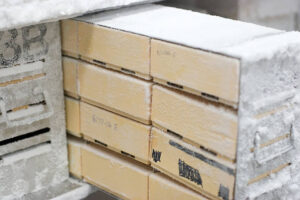
Pallet freezer spacers are devices placed between stacked pallets inside freezer rooms to create consistent, controlled gaps. These gaps allow for better air circulation, enabling the cold air to flow efficiently throughout the stored products. Traditionally, pallets were stacked directly on top of each other, limiting airflow and causing uneven freezing or cooling. This inefficient airflow forces refrigeration units to work harder, driving up energy consumption.
In Australia, where energy costs have been rising steadily and sustainability initiatives are a priority, pallet freezer spacers help companies reduce their carbon footprint while maintaining product quality. By promoting uniform temperature distribution, these spacers prevent cold spots and freezer burn, reducing waste and loss.
How Pallet Freezer Spacers Lead to Energy Savings
The secret to energy reduction lies in enhanced airflow management. When pallets are tightly stacked without spacers, cold air cannot circulate properly, causing pockets of warm air to linger. Refrigeration systems then compensate by running longer or at higher power, resulting in higher energy bills.
By introducing pallet freezer spacers, cold air circulates evenly across all pallet levels. This means:
- Faster freezing times: Products freeze more rapidly due to improved contact with cold air.
- Consistent temperature: Reduces the risk of spoilage and improves shelf life.
- Lower refrigeration load: Systems do not need to operate as intensively or as long to maintain the desired temperature.
Australian businesses report energy savings of up to 15-20% after implementing pallet freezer spacers in their freezer rooms — a significant reduction given that refrigeration often accounts for more than 50% of energy consumption in cold storage operations.
Practical Benefits Beyond Energy Efficiency
Besides lowering energy costs, pallet freezer spacers offer several operational advantages:
- Increased storage capacity: By stacking pallets safely and efficiently, facilities can maximise vertical space without risking product damage.
- Improved safety: Spacers provide stability, reducing pallet collapse risks, which protects workers and inventory.
- Durability: Made from food-grade plastics or stainless steel, pallet freezer spacers withstand the extreme conditions of freezer rooms standard in Australian climates.
These benefits contribute to smoother warehouse workflows and reduce downtime, making pallet freezer spacers an attractive investment for businesses aiming to enhance overall operational efficiency.
Implementing Pallet Freezer Spacers in Australian Freezer Rooms
The adoption of pallet freezer spacers in Australia is supported by government energy efficiency programs and industry guidelines focused on sustainable cold storage solutions. Businesses looking to upgrade their freezer room operations can:
- Conduct an energy audit: Identify current inefficiencies in airflow and refrigeration loads.
- Consult with specialists: Engage with suppliers knowledgeable about Australian regulations and climate considerations.
- Choose the right spacer type: Depending on pallet size, product type, and freezer conditions, select spacers that best fit operational needs.
- Train staff: Ensure workers understand the correct placement and handling of spacers to maximise benefits.
Many Australian companies have combined the use of pallet freezer spacers with smart monitoring systems to track temperature and energy use in real-time, further optimising freezer room performance.
Future Outlook: Sustainability and Cost Reduction
Australia’s cold storage industry is under increasing pressure to meet sustainability targets and reduce operational costs. Pallet freezer spacers provide a practical, cost-effective tool in achieving these goals. As energy prices fluctuate and environmental regulations tighten, businesses that proactively integrate such technologies position themselves for long-term competitiveness.
Innovation in pallet freezer spacer design is also advancing, with new models featuring lighter materials and antimicrobial coatings tailored for food safety and ease of use. These developments promise even greater efficiency and hygiene standards for Australian freezer rooms.
Conclusion
The challenge of managing energy costs in freezer rooms is universal, but Australian businesses have found an effective ally in pallet freezer spacers. By improving airflow, reducing refrigeration load, and enhancing storage safety, these spacers deliver tangible savings and sustainability benefits. As the demand for efficient cold storage solutions grows, pallet freezer spacers stand out as a smart investment for companies aiming to optimise their freezer room operations without compromising quality or compliance.
Adopting pallet freezer spacers is more than an operational upgrade—it’s a strategic move towards a more energy-conscious and profitable future in Australia’s evolving cold chain landscape.