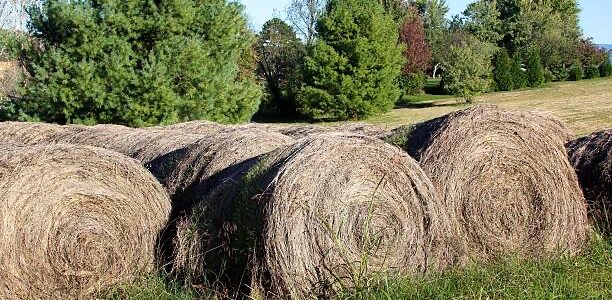
Agriculture has been a cornerstone of Australia’s economy and culture for centuries. Central to this sector’s productivity is the humble yet vital tool known as baler twine. Baler twine Australia has played a significant role in shaping modern farming practices by improving efficiency, reducing waste, and securing hay and straw for livestock. Understanding the history and evolution of baler twine in Australian agriculture offers valuable insights into the country’s agricultural advancements and innovations.
Early Beginnings: The Introduction of Baling Techniques in Australia
The origins of baler twine usage in Australia date back to the early 20th century, coinciding with the broader mechanisation of farming. Prior to mechanised baling, Australian farmers manually gathered and tied hay and straw—a labour-intensive process prone to inconsistencies and losses. The introduction of the baler machine, originally developed in the United States, revolutionised the way farmers handled forage crops.
As these machines became available in Australia, baler twine emerged as an indispensable accessory. Early baler twine was typically made from natural fibres such as sisal or jute. These materials, while biodegradable and readily available, posed challenges due to limited strength and susceptibility to moisture damage in Australia’s often harsh climate. Farmers had to balance affordability with functionality, sparking early demand for more durable alternatives.
Transition to Synthetic Fibres: Strengthening Agricultural Practices
By the mid-20th century, the agricultural sector in Australia experienced a technological leap with the shift from natural fibre twines to synthetic baler twine. This change marked a significant milestone in the evolution of baler twine Australia. Made primarily from polypropylene, synthetic twine offered superior strength, elasticity, and resistance to rot and UV damage—traits perfectly suited for Australia’s diverse farming environments.
The adoption of synthetic baler twine facilitated larger and denser bales, improving transportation and storage efficiency. Farmers could now bale hay and straw more quickly and securely, reducing losses from weather exposure and mechanical damage. This transition also contributed to the modernisation of Australian farms, allowing them to meet the growing demands of livestock production and export markets.
Innovations in Baler Twine: Meeting Modern Agricultural Needs
In recent decades, baler twine Australia has continued to evolve alongside advances in agricultural machinery and sustainability concerns. Today’s baler twines are engineered to meet precise specifications, including tensile strength, elongation, and compatibility with high-speed balers used on large-scale farms.
Innovations include colour-coded twines for bale identification, UV-stabilised fibres for extended outdoor durability, and biodegradable options catering to environmental sustainability. Australian manufacturers and importers have responded to the unique challenges of local climates and farming styles by offering a wide range of twine products tailored to various crops and bale sizes.
Moreover, the development of knotless baler twine technology has enhanced bale integrity, minimising the risk of twine breakage during handling. These advancements have allowed Australian farmers to maintain high productivity levels while addressing ecological concerns and operational costs.
Regional Significance: How Baler Twine Supports Australian Farming Communities
Australia’s vast agricultural regions—from the grain belts of New South Wales and Victoria to the cattle stations of Queensland—have diverse requirements for baler twine. In these regions, baler twine is more than just a tool; it’s a vital component that supports livelihoods and rural economies.
For example, the wheat-growing areas rely on durable baler twine to secure straw bales used for animal bedding and erosion control. In cattle and sheep country, hay baling is essential for winter feed, and reliable twine ensures that bales maintain shape and quality through transport and storage. The availability and quality of baler twine directly impact farming efficiency, product quality, and ultimately, profitability.
Future Trends: Sustainability and Technology in Baler Twine Australia
Looking forward, the future of baler twine in Australian agriculture is likely to be shaped by a strong focus on sustainability and smart farming technologies. The increasing adoption of biodegradable baler twine offers promising solutions to reduce plastic waste in rural areas—a critical environmental concern.
Simultaneously, integration with digital agriculture tools such as bale tracking systems and automated balers requires baler twine that can perform consistently under new operational standards. Australian manufacturers and agricultural innovators are investing in research and development to produce twines that not only meet these demands but also contribute to the circular economy.
Conclusion
The journey of baler twine Australia from natural fibres to advanced synthetic and biodegradable materials mirrors the broader evolution of Australian agriculture—from manual labour to mechanised efficiency and sustainable practices. As a critical link in the agricultural supply chain, baler twine continues to empower farmers across Australia, ensuring the secure storage and transportation of forage crops vital for the country’s livestock industry.
Understanding this history enriches our appreciation of the seemingly simple twine that holds together much of Australia’s agricultural productivity. With ongoing innovation and regional adaptation, baler twine remains a foundational element supporting the growth and resilience of Australian farming communities well into the future.