When it comes to preserving high-quality forage, silage covers play a critical role in protecting feed from spoilage and weather damage. For Australian farmers, choosing the right type of silage cover is not just about prolonging feed life—it’s about ensuring livestock performance, reducing waste, and improving overall farm profitability. With the diverse climates across the country—from the tropical north to the temperate south—selecting the most suitable cover for your region and farming operation is essential.
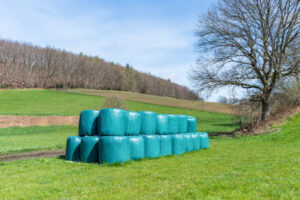
This article explores the different types of silage covers available in Australia, highlighting their key benefits, applications, and what makes each one suitable for local farming conditions.
Standard Black-on-White Plastic Covers
The most common type used across Australian farms, black-on-white plastic covers are known for their simplicity and cost-effectiveness. The white outer layer reflects sunlight, preventing overheating, while the black underside blocks light to inhibit aerobic spoilage.
Advantages:
- Affordable and widely available.
- Good UV protection for short to medium-term use.
- Suitable for most temperate Australian regions.
However, in areas with high winds or intense UV exposure, such as rural South Australia or Western Australia, these covers may degrade more quickly and require additional reinforcement or protective mesh.
Oxygen Barrier Silage Covers
A step up in preservation technology, oxygen barrier covers are specifically engineered to reduce air infiltration. These multilayer films are thinner than traditional plastics but offer superior sealing performance. They sit directly on the silage surface, forming an airtight layer that dramatically reduces spoilage.
Benefits for Australian farms:
- Ideal for regions with unpredictable weather, like coastal Queensland or northern NSW.
- Excellent for high-value feed crops such as maize or lucerne.
- Significantly reduces dry matter loss and surface spoilage.
Oxygen barrier silage covers are especially popular among large-scale dairy producers aiming to maintain premium feed quality.
Reinforced and UV-Stabilised Covers
Given Australia’s harsh sunlight and frequent high winds, reinforced UV-stabilised silage covers are gaining traction. These covers incorporate additional strength materials such as mesh or woven layers, offering durability that’s ideal for multi-season use.
Best suited for:
- Wind-prone areas, such as the Western Plains or outback regions.
- Farmers are looking for longer-lasting solutions with minimal replacement frequency.
- Covering bunkers or clamps that will remain sealed for extended periods.
Although these covers are more expensive upfront, their extended lifespan often makes them more economical over time.
Multi-Layer Silage Systems (Double Cover Method)
A more advanced option for Australian producers is the multi-layer system, typically involving an oxygen barrier film laid directly on the silage, followed by a secondary protective silage cover. This dual-layer approach enhances airtightness while shielding the underlying film from physical damage and UV exposure.
Why choose multi-layer systems in Australia?
- Optimal for high-rainfall areas like Gippsland or Tasmania.
- Enhances silage compaction and fermentation quality.
- Reduces reliance on tyres or sandbags for securing covers.
Although this method involves more material and effort, the gains in feed quality and reduced losses make it increasingly attractive to precision-focused operations.
Eco-Friendly and Recyclable Silage Covers
Sustainability is a growing concern in Australian agriculture, prompting interest in eco-friendly silage covers. These include recyclable plastics and biodegradable options that break down naturally after use. While still emerging in Australia, such covers are beginning to appear in progressive farms and research-backed trials.
Emerging features:
- Reduced environmental footprint.
- Some qualify for government grants or incentives related to sustainable farming practices.
- A viable option for organic or regenerative farming systems.
Before choosing these products, it’s essential to ensure their performance matches conventional options under local climatic conditions.
Selecting the Right Silage Cover for Your Operation
When choosing silage covers in Australia, farmers must consider more than just price. Climate, forage type, storage duration, and scale all play vital roles in determining the best option. For example:
- In hot, dry areas, UV-stabilised reinforced covers may offer the most durability.
- For premium feed and minimal loss, opt for oxygen barrier or multi-layer systems.
- If sustainability is a priority, explore recyclable or biodegradable alternatives.
Consulting with local agricultural suppliers or agronomists can provide guidance tailored to your specific region and storage setup.
Final Thoughts
The Australian agricultural landscape is as varied as its climate zones, and choosing the right silage covers can have a significant impact on forage quality and overall farm profitability. Whether you’re a small-scale beef producer in Victoria or a large dairy operation in Queensland, investing in the right cover can reduce spoilage, lower costs, and improve livestock outcomes.
By understanding the different types of silage covers available and their unique benefits, Australian farmers can make confident, informed decisions that support both productivity and sustainability on their farms.