Tablet bottle packaging has long been a staple in the pharmaceutical industry, serving as a primary means of storing and dispensing medications. However, as technology advances and consumer expectations evolve, the traditional pill bottle is transforming. Innovative designs are emerging to address issues of accessibility, sustainability, and user experience, going beyond the basics to revolutionise the way medications are packaged and delivered. In this article, we delve into some of the most groundbreaking advancements in tablet bottle packaging, like Pharmapac tablet bottle packaging and their implications for healthcare professionals and patients alike.
Enhancing Accessibility:
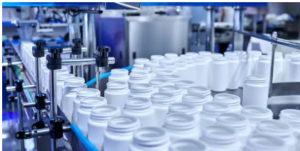 Accessibility is a key consideration in tablet bottle packaging design, particularly for individuals with disabilities or limited dexterity. Traditional pill bottles often feature child-resistant caps that can be difficult for some users to open. In response, designers are incorporating features such as easy-grip surfaces, ergonomic shapes, and larger, more prominent labels. These improvements make it easier for users to access their medications independently, promoting autonomy and reducing the risk of errors. Additionally, innovations in materials science have led to the development of transparent or translucent packaging materials, allowing users to see the contents of the bottle without needing to open it, further enhancing accessibility and ease of use.
Integrating Technology:
The integration of technology into tablet bottle packaging represents a significant leap forward in functionality and convenience. Smart packaging solutions utilise sensors, RFID tags, or near-field communication (NFC) chips to provide real-time information about medication usage, expiry dates, and dosage instructions. Users can access this information through smartphone apps, allowing them to track their medication intake and receive reminders for refills or dosage adjustments. By harnessing the power of technology, smart packaging transforms traditional pill bottles into intelligent, interactive tools for medication management, improving adherence and health outcomes.
Promoting Sustainability:
In recent years, there has been a growing emphasis on sustainability within the pharmaceutical industry, driving innovation in tablet bottle packaging design like Pharmapac tablet bottle packaging. Traditional plastic pill bottles contribute to environmental waste and pollution, prompting designers to explore more eco-friendly alternatives. Biodegradable or recyclable materials, such as plant-based plastics or paperboard, offer a greener alternative to traditional packaging materials, reducing the environmental impact of medication distribution. Additionally, sustainable packaging practices, such as minimising excess packaging material and optimising packaging size and shape, help to further reduce waste and promote environmental sustainability.
Innovative Dosage Delivery Systems:
Beyond traditional pill bottles, designers are exploring alternative dosage delivery systems that offer greater precision and flexibility. Unit-dose packaging, for example, involves individually sealed pouches or blister packs containing a single dose of medication. It eliminates the need for bulky bottles and allows for more accurate dosage tracking, particularly for patients with complex medication regimens.
Customisation and Personalisation:
Advancements in digital printing technology have opened up new possibilities for customisation and personalisation in tablet bottle packaging. Pharmaceutical companies can now create packaging designs tailored to specific patient populations, incorporating personalised dosage instructions, medication schedules, or even patient photos. It not only enhances medication adherence by providing clear, tailored guidance but also fosters a sense of ownership and empowerment among patients, encouraging active engagement in their healthcare journey.
Ensuring Safety and Compliance:
Safety is paramount in tablet bottle packaging design, with designers implementing various features to prevent accidental ingestion or tampering. Child-resistant caps, for example, are a standard feature in many pill bottles, requiring a combination of agility and strength to open. Additionally, tamper-evident seals provide visual cues to indicate whether a bottle has been compromised, ensuring the integrity of the medication inside. By incorporating these safety features, tablet bottle packaging designers aim to protect both patients and caregivers from potential hazards, promoting peace of mind and confidence in medication management.
Conclusion:
In conclusion, the landscape of tablet bottle packaging, like Pharmapac tablet bottle packaging, is evolving rapidly, driven by a commitment to innovation, accessibility, sustainability, and safety. From easy-grip caps and smart packaging solutions to sustainable materials and personalised designs, designers are pushing the boundaries of what is possible, revolutionising the way medications are packaged and delivered. Moving forward, continued collaboration between designers, manufacturers, healthcare professionals, and patients will be essential in driving further advancements and ensuring that tablet bottle packaging remains at the forefront of pharmaceutical innovation. By embracing innovation and embracing change, we can create packaging solutions that improve medication adherence, enhance patient satisfaction, and ultimately lead to better health outcomes for all.